CFS Co-founder Brandon Sorbom answers fusion questions in recent ‘ask me anything’ on Reddit
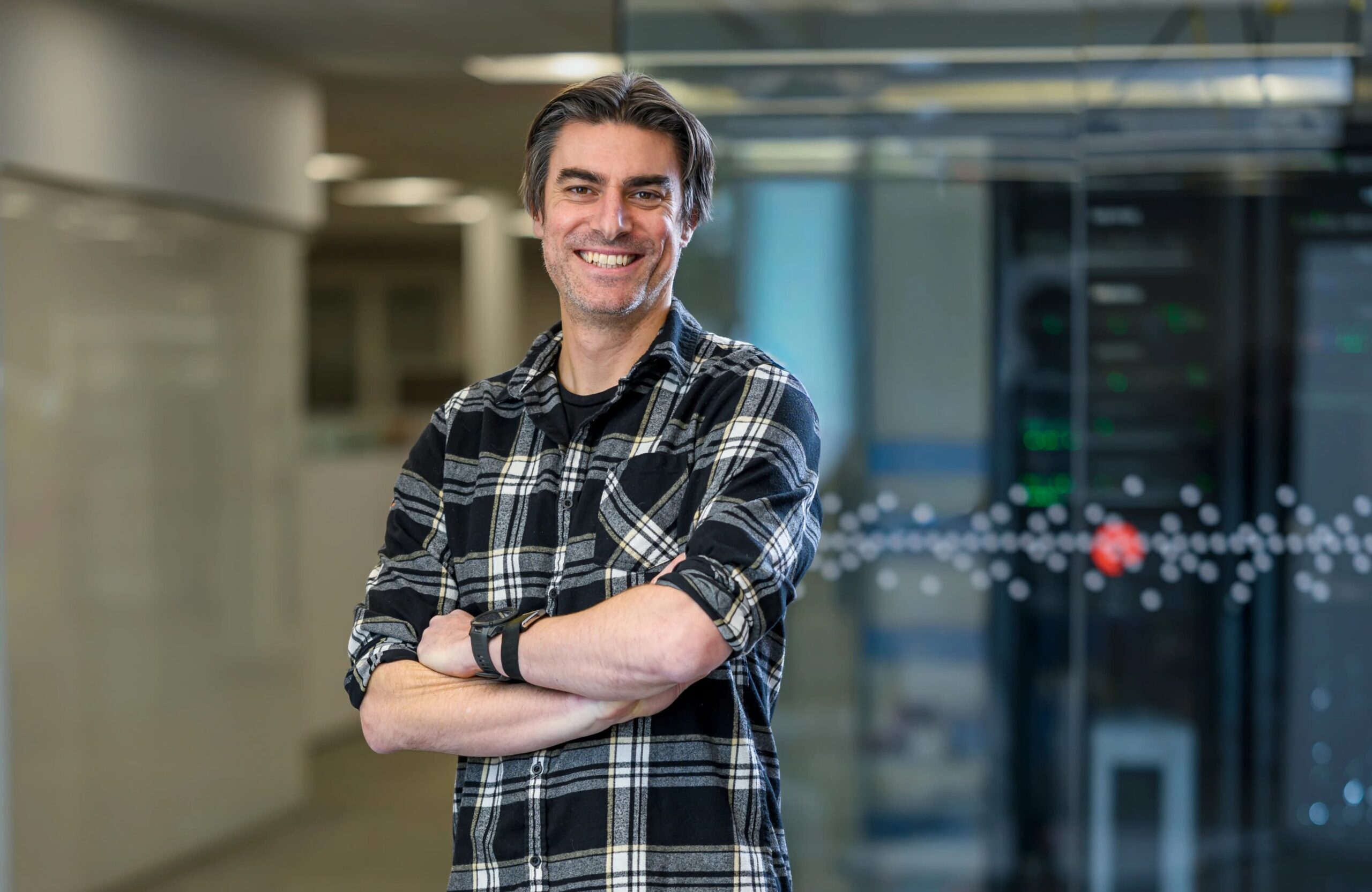
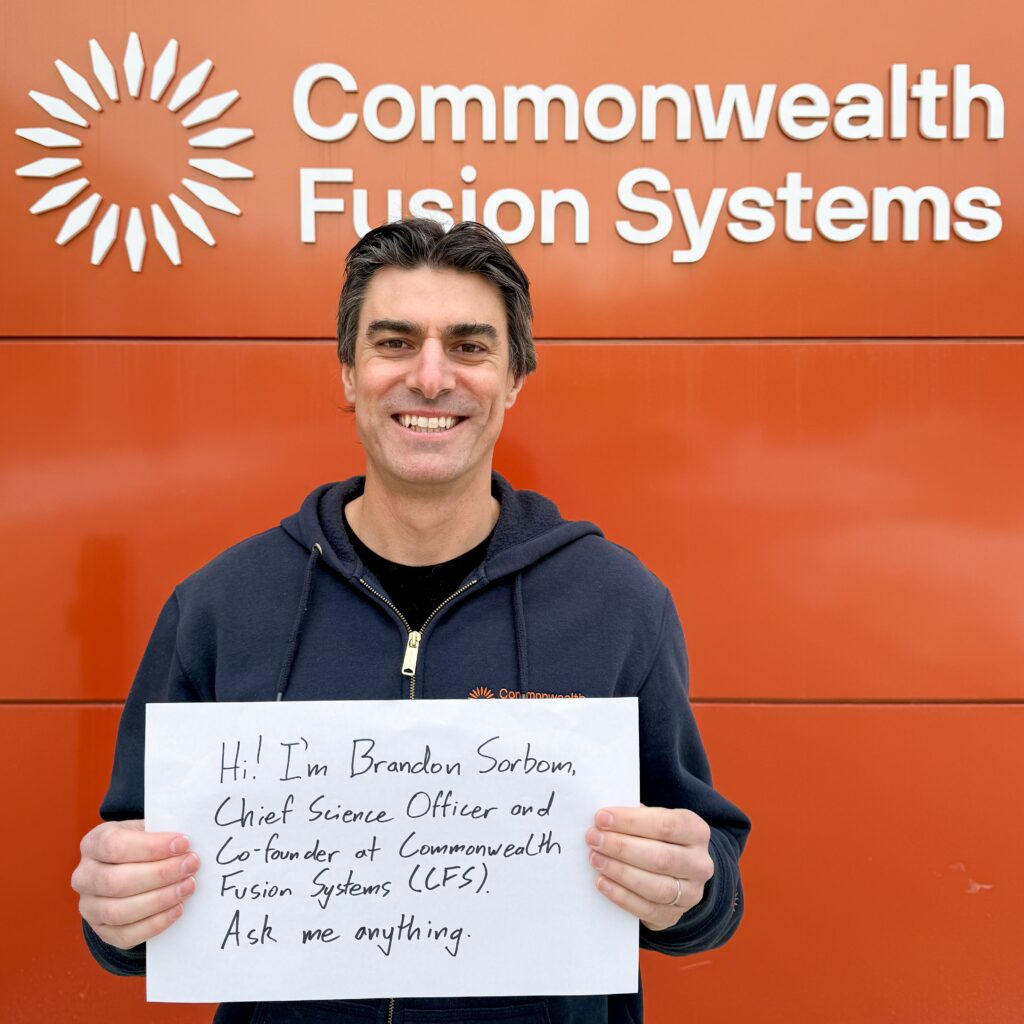
In February, Commonwealth Fusion Systems’ (CFS) Chief Science Officer and Co-founder Brandon Sorbom conducted the company’s first “ask me anything” (AMA) on Reddit’s r/fusion subreddit. The forum gave participants a chance to get answers to their most pressing questions about our progress building SPARC, designs for our ARC power plant, and how Brandon and the company approach the latest challenges in fusion science and engineering on our way to commercializing fusion energy.
Brandon first fell in love with fusion as a college student, building a Farnsworth fusor, then later studied fusion at the Massachusetts Institute of Technology’s Plasma Science and Fusion Center. While working on his PhD at MIT, he was the lead author of the paper that proposed the original design for ARC that inspired the founding of Commonwealth Fusion Systems in 2018.
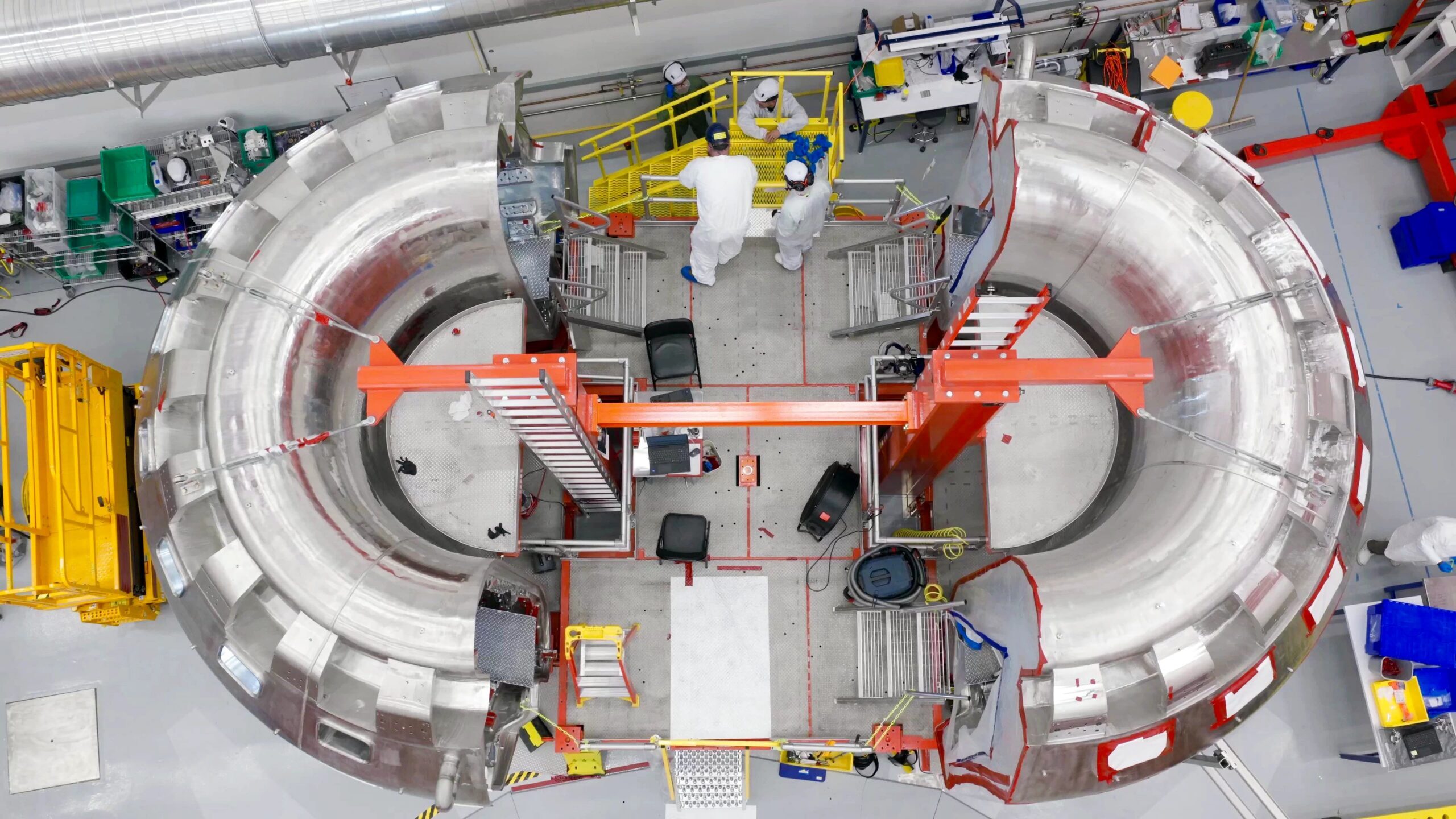
As the Chief Science Officer at CFS, he leads the teams performing R&D efforts. Their work includes prototyping and testing the hardware for SPARC, the fusion demonstration machine we’re building at CFS headquarters in Devens, Massachusetts, as well as advancing ARC’s design.
The discussion on Reddit was deep and broad, drawing questions from knowledgeable plasma scientists, fusion enthusiasts, and students. Brandon enjoyed discussing CFS work, including our accomplishments so far and those hills still to climb.
“I dropped in a lot of references to peer-reviewed research that we and our partners have published. That’s no accident. It’s the gold standard for sharing validated, trustworthy information, and it can help people understand our science, our technology, and our approach,” he says. “Fusion is such a complex, nuanced topic that it’s important to distill things to a high level, but it’s equally important to provide the foundations for those distillations.”
You can read the full AMA with Brandon Sorbom on Reddit here, but here’s some of the Q&A that we found particularly insightful.
Question: How far into the ARC design are you?
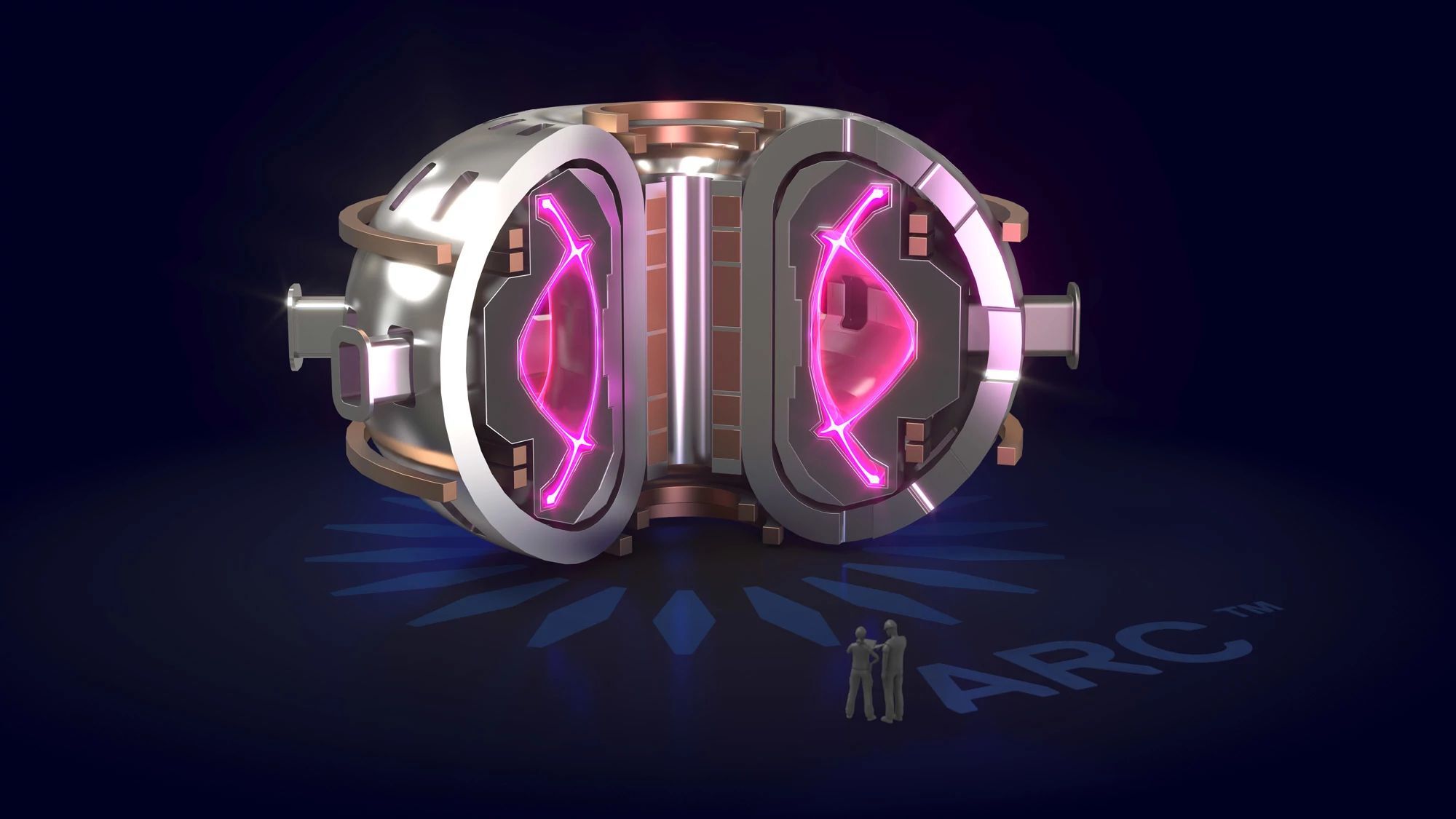
Brandon Sorbom answer: ARC is still relatively early in the design process, but we’ve recently hit a few big milestones! We’ve submitted our ARC physics basis papers to the Journal of Plasma Physics and they are currently going through the peer-review process. When this finishes and they are published, we will definitely make an announcement so y’all can check them out!
Question: Given that ARC needs to be self-sufficient in tritium to make the economics work, how do you feel about this part of the plan?
Brandon: I’m really not worried about this. Fusion requires small amounts of fuel (deuterium and tritium) — it’s millions of times more efficient than burning chemical fuels. After we secure our initial tritium supply from fission reactors, our ARC power plants will breed more that we’ll bring to new ARC plants.
An important point to make about tritium breeding is that it’s an engineering risk as opposed to a science risk. This is not to minimize challenges, but to correct the misperception that somehow tritium breeding is an open question scientifically. We understand the science on how to breed tritium from lithium very well.
Question: How long are the HTS magnets expected to survive on SPARC? Without a blanket to provide shielding is the exposure to D-T neutrons a concern? There seems to be good data out there for exposure to fission neutrons and to charged particle beams but not much for 14-MeV neutrons even at low fluences.
Brandon Sorbom: The magnets on SPARC are designed to last ~10,000 DD (deuterium-deuterium) pulses, and ~3,000 DT (deuterium-tritium) pulses (exact numbers will depend on the actual power we run each shot at, but these are a good ballpark). That translates to many years of operational lifetime of the machine. The important distinction between SPARC and ARC is that SPARC’s plasmas will be short (on the order of ~10 seconds for a pulse) and with a relatively long time between pulses (30 minutes to a few hours depending on the fusion power of the pulse). Therefore, while the neutron flux to the magnets will be high, the total fluence to the magnets will be low over the lifetime of the machine.
You are right that there is not much data out there on 14 MeV neutrons, but the actual damage mechanisms to HTS don’t really change above ~0.1 MeV of energy. We know this because the charged particle beam irradiations can be tuned to simulate the effect of primary collisions of neutrons at a whole range of different energies, and through these experiments (and associated modeling), we’ve found that the damage mechanism to the superconductor is much more dependent on the cascade caused by the primary knock-on atom (PKA) than the PKA itself. This is actually what I wrote my thesis on in grad school! Hah I am going to limit myself from going too deep down the rabbit hole on this one since I could spend all day writing about this, but if you want to see all the gory details you can read them in my thesis.
Question: What have your internal cost-modeling efforts for the scaled-up ARC system looked like?
Brandon Sorbom: We believe that fusion has to be market-competitive to succeed. For this reason we center the cost of power in all of our design and engineering decision-making. We have a team dedicated to techno-economics and developing cost models of the power plant that is embedded in the design and engineering process. We don’t take this lightly — even on SPARC, which isn’t meant to be a commercial plant, we made sure that we weren’t baking anything into the design that wouldn’t scale.
Question: What are the biggest supply chain hurdles you foresee?
Brandon Sorbom: The biggest supply chain hurdle when we started was procuring enough high-temperature superconducting (HTS) tape. When we started CFS in 2018, we estimated that a ~40x scaleup in the industry was needed to get us to SPARC, and frankly a lot of people laughed this off as impossible. But we proved that we could find and work closely with like-minded suppliers to get it done. We actually had a mantra within CFS in the early days — “no project waits on tape” and I’m proud to say that this has held up to the present!
Question: The original ARC paper proposed a molten salt (FLiBe) blanket for cooling and tritium breeding. Is that still the primary plan, and how do you handle the corrosive nature of those salts over a 30-year plant lifespan?
Brandon Sorbom: The primary plan for the ARC blanket is still FLiBe molten salt (a mixture of lithium fluoride and beryllium fluoride), which breeds tritium, shields neutrons, cools all of the warm components, and ultimately heats water for the electricity generation system. Although FLiBe is a new salt for industry, the good news is that we aren’t starting from scratch — the concentrated solar industry has actually collected quite a lot of data and experience with molten nitrate salts (which are also corrosive) over the past few decades, not to mention a lot of work at national labs that looked at molten-salt cooled fission…We’re doing a lot of lab-scale testing of salt chemistry and corrosion, and we’re soon going to scale up to industrial-scale component testing.
Question: What is the next major problem that you all are looking to overcome? When do you think we’ll publicly hear results of that milestone?
Brandon Sorbom: I wouldn’t call this a “problem,” but we do have some exciting tests coming up — we’ve talked a lot about our TF magnet tests in the last few months, but we are now gearing up to start testing our full-scale production PF [poloidal field] coils.
Unlike the TF magnets which will operate continuously at a steady current, the PF magnets are pulsed, which means we’ll ramp electrical current (and thus magnetic field) up and down. That requires a different magnet architecture than the TF coils — you can check our peer-reviewed research paper on PIT VIPER cables if you’re curious.
We tested our pulsed magnet technology with the CSMC (Central Solenoid Model Coil) project and we’ve finished making our first full-scale PF magnet destined for SPARC. Now we’re gearing up to test it. Stay tuned!
SPARC®, ARC™, and Fall Line Fusion Power Station™ are trademarks of Commonwealth Fusion Systems®.