How an $85M federal award would help CFS, fusion energy, and U.S. chip industry

There’s a tighter link between fusion energy and computing than you might realize. We at Commonwealth Fusion Systems (CFS) of course rely on computer processors to design our fusion machines and simulate the physics that make them tick.
But it turns out that fusion can help the semiconductor industry that develops those chips, too. We expect a proposed $85 million award from the United States government to do just that.
The Department of Commerce and CFS have signed a letter of intent for $85 million in proposed federal incentives to help CFS advance microelectronics projects in the U.S. that can boost technology like fast AI controllers and the beefy power supplies that feed electricity to our magnets.
In short, the funding would help improve the U.S. chip and power electronics industries at the same time it accelerates fusion energy’s progress toward the electrical grid. Millions of people stand to benefit from both.
Let me explain with a deeper look at what this award is all about.
First, where will the money come from? The Department of Commerce’s award is part of the CHIPS and Science Act, a 2022 bipartisan law designed to rebuild the U.S. semiconductor industry and maintain competitiveness in this vital sector of the global economy. The law appropriated more than $50 billion for federal investments into fabrication facilities where processors are made and into support for areas like skills development, supply chains, and research. Our award is through the CHIPS Research and Development Office (CRDO) and its effort to boost microelectronics leadership.
Semiconductor technology is responsible for the chips in everything from computers and smartphones to baby monitors and microwave ovens. And someday soon, fusion power plants. When the COVID pandemic disrupted chip supply chains, it hobbled sales of washing machines, pacemakers, and Ford F-150 pickups and made it clear just how beholden U.S. industries are to overseas chipmaking. The CHIPS Act is designed to boost U.S. manufacturing capacity and the R&D abilities that keep the industry moving forward, maintaining a secure supply chain as part of a broader reindustrialization strategy.
That’s where our CRDO award comes in.
The funding would advance the fusion energy effort at CFS and the ability of semiconductor companies to supply components crucial to fusion. Ultimately, that means a more capable, economical power plant and a stronger U.S. supply chain to build it. Reindustrialization means new jobs, new manufacturing capabilities, and new economic activity that’ll complement fusion’s clean, firm, secure energy.
And these projects also stand to boost many other industries, too — for example, the AI-accelerated controls and digital twin projects can directly apply to aerospace, advanced manufacturing, and electricity grid operation.
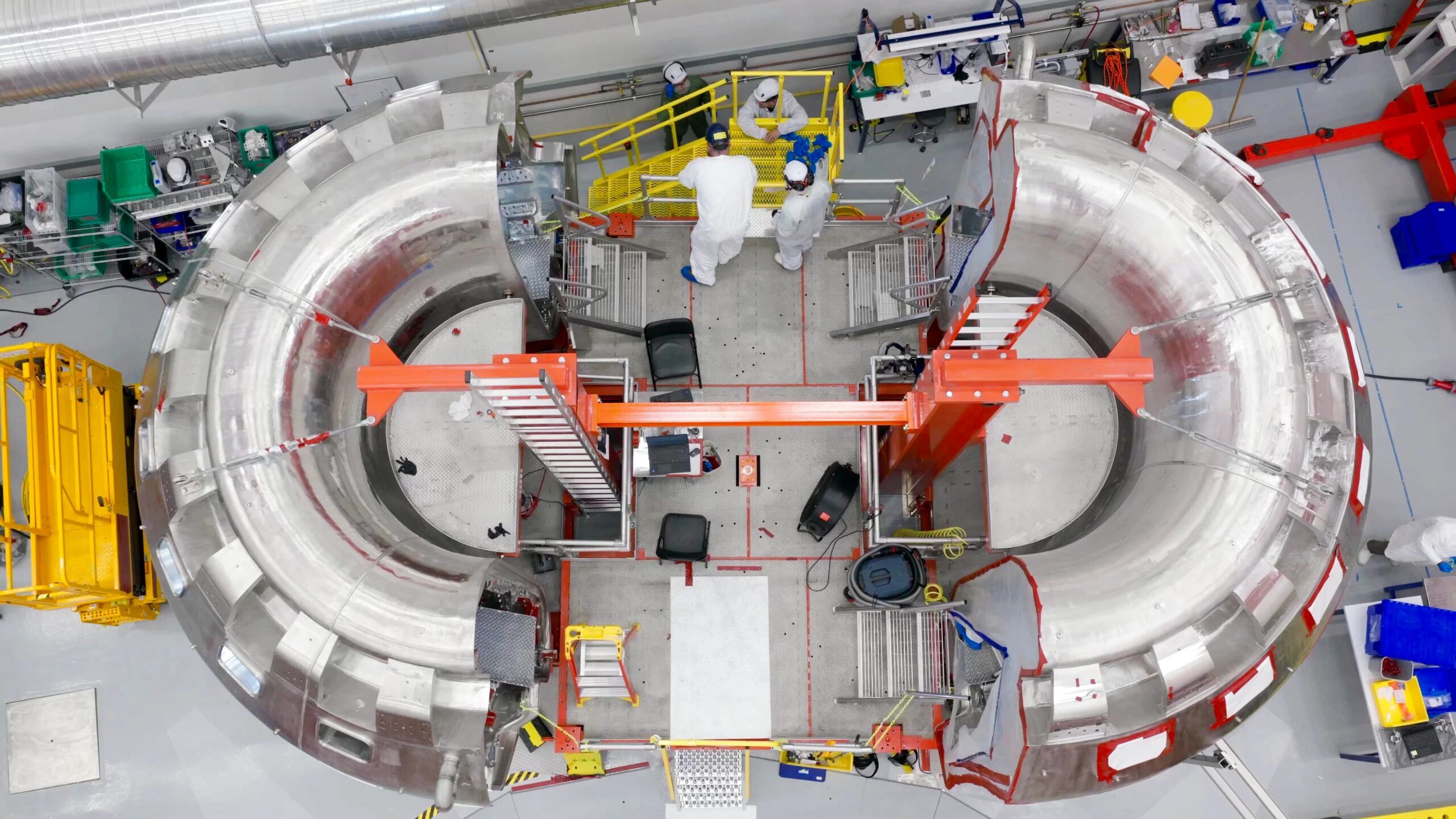
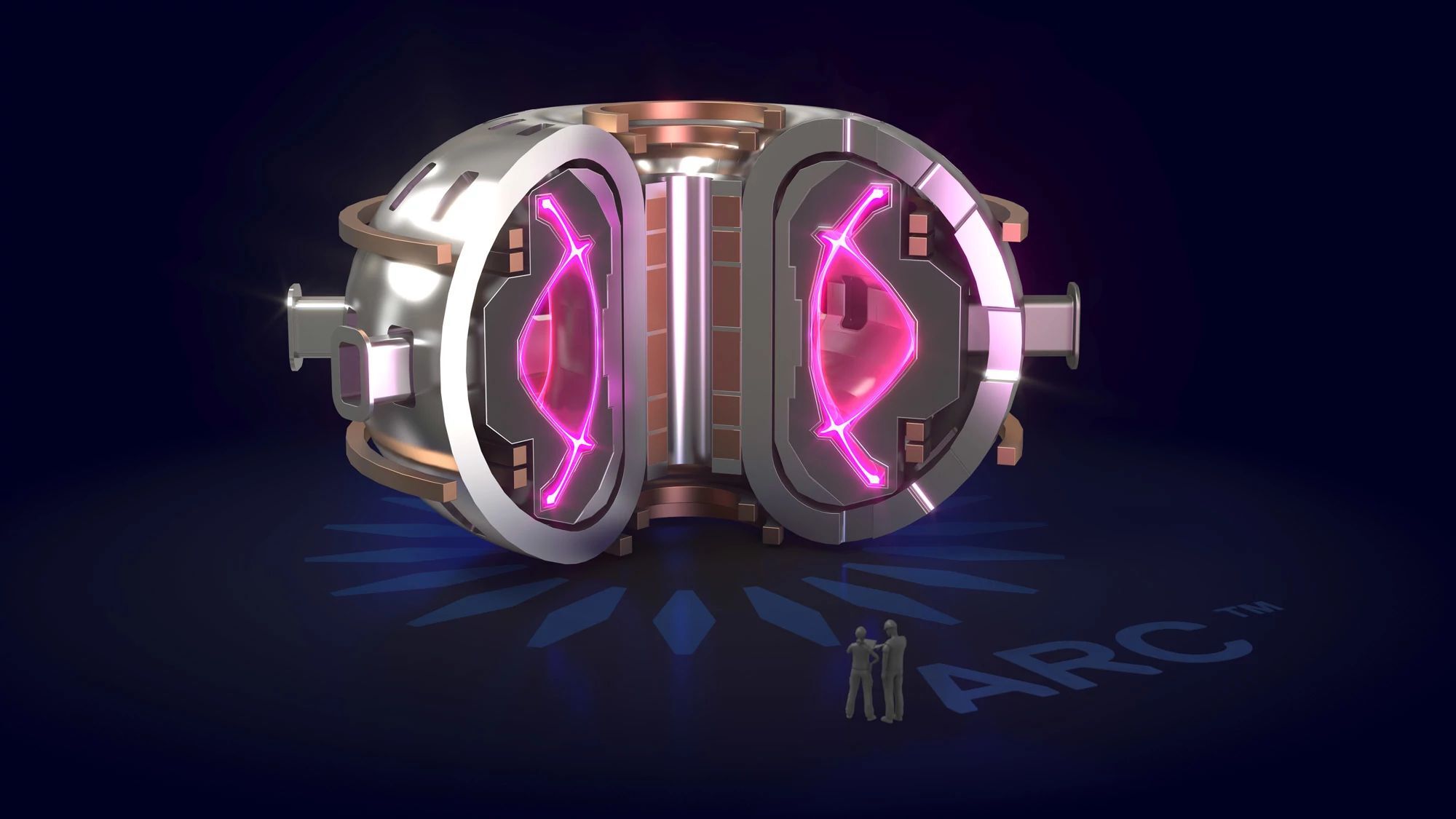
These are the projects involved in the award and some of their uses in the SPARC fusion machine we’re building now, the ARC fusion power plants we’re designing, and other technology domains beyond fusion.
As shown by new government support for fusion in China, Germany, the United Kingdom, Japan, and other countries, the United States government isn’t alone in trying to bring the benefits of fusion online. This new energy source promises secure, firm, dispatchable, clean, affordable electricity — and it’ll be the last new energy source humanity will need.