Fusion physics experts connect at CFS’ second collaboration workshop
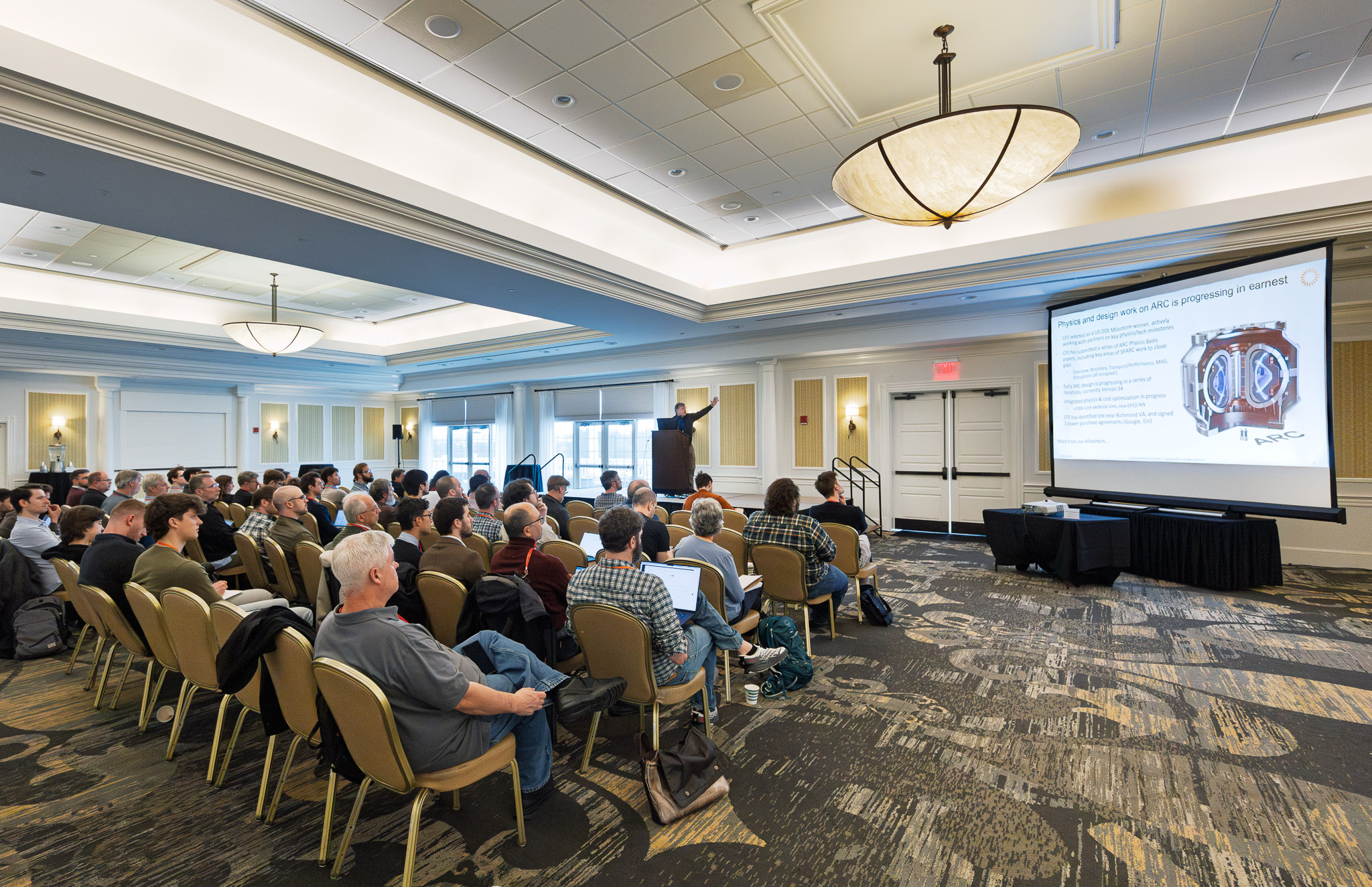
Here near Commonwealth Fusion Systems (CFS) headquarters in Devens, Massachusetts, we just wrapped up our second Boundary Collaborators Workshop — a conference that lets us meet with a range of university, national lab, and company experts we’ve invited to engage with us in our fusion work.
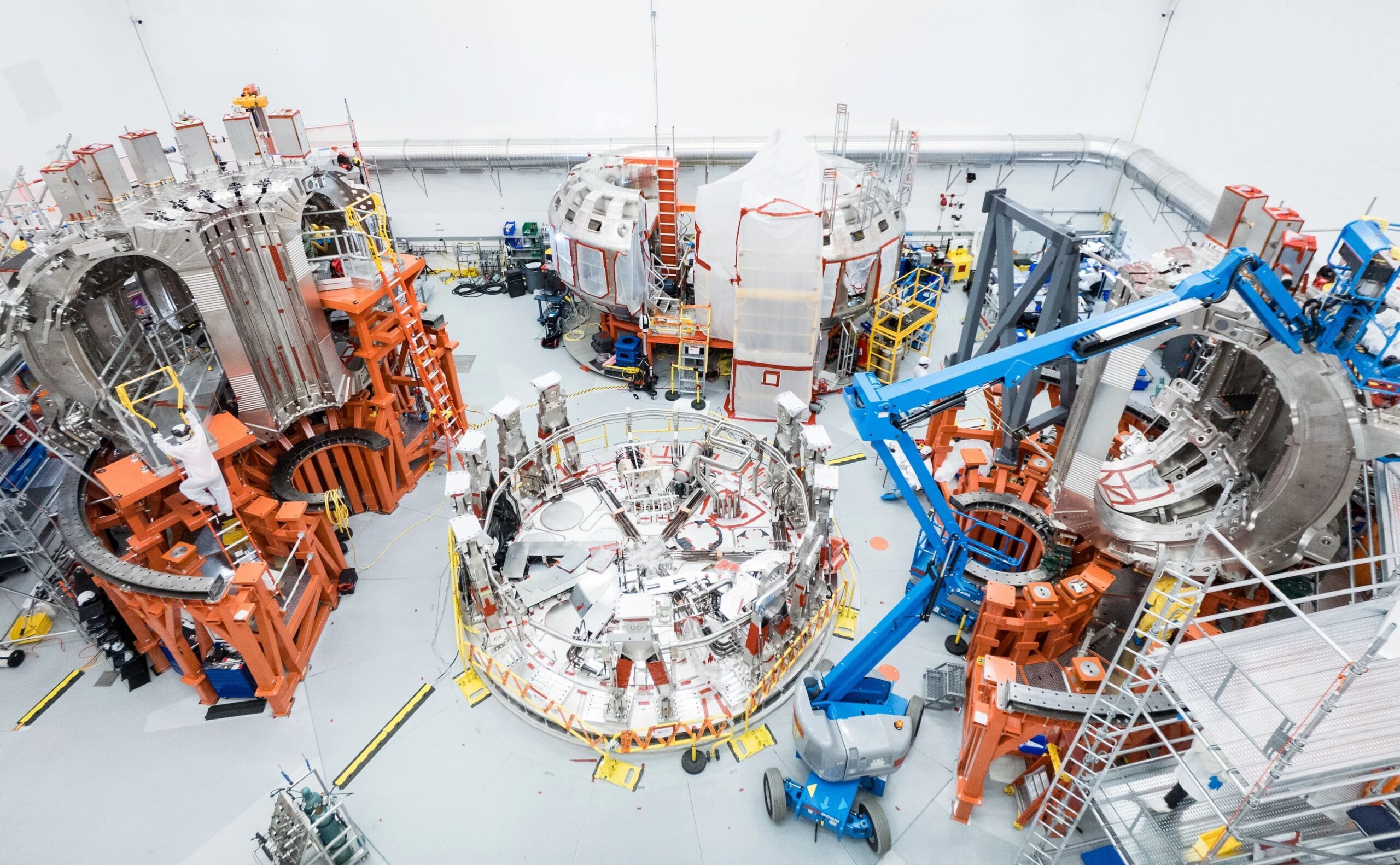
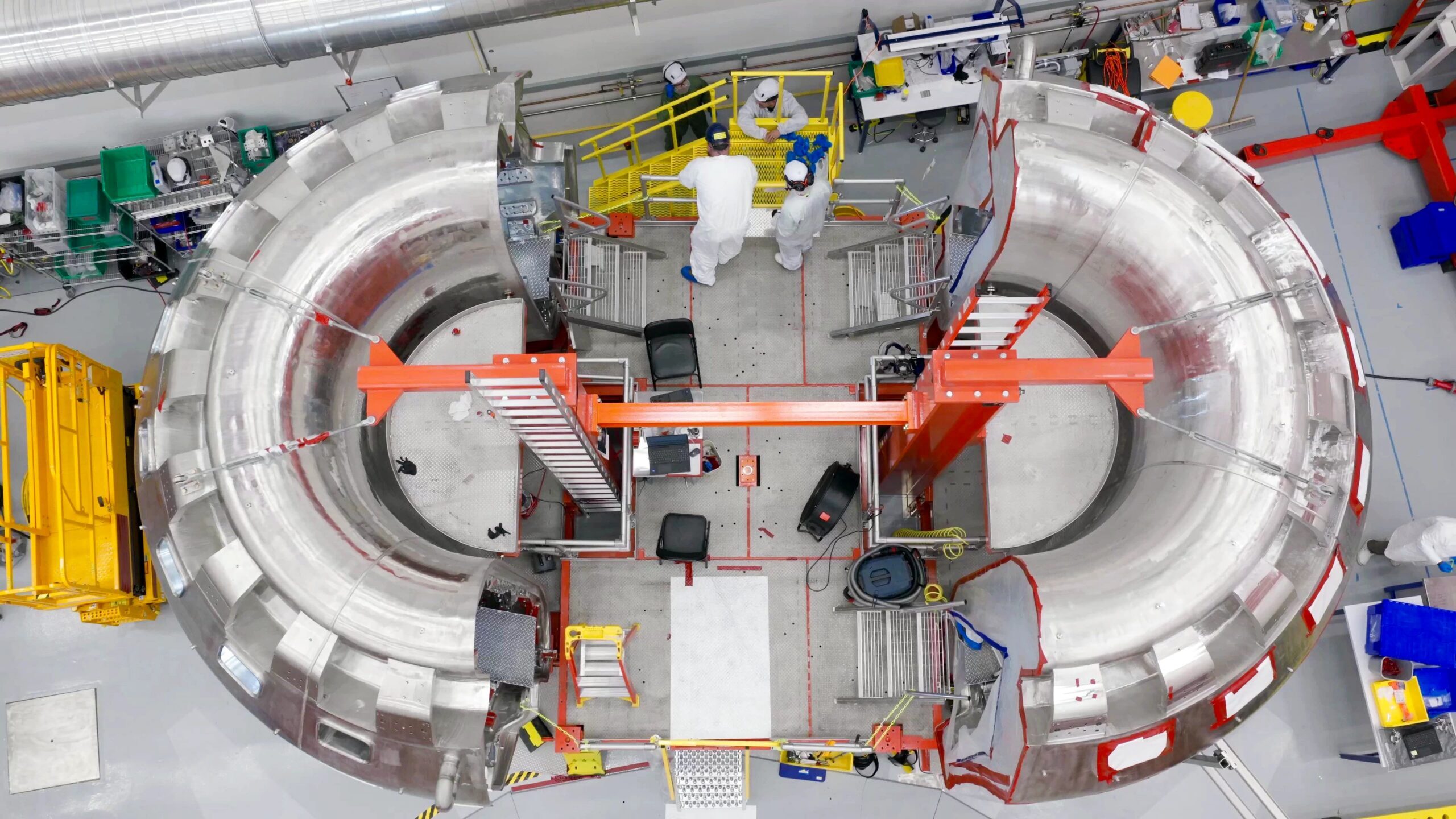
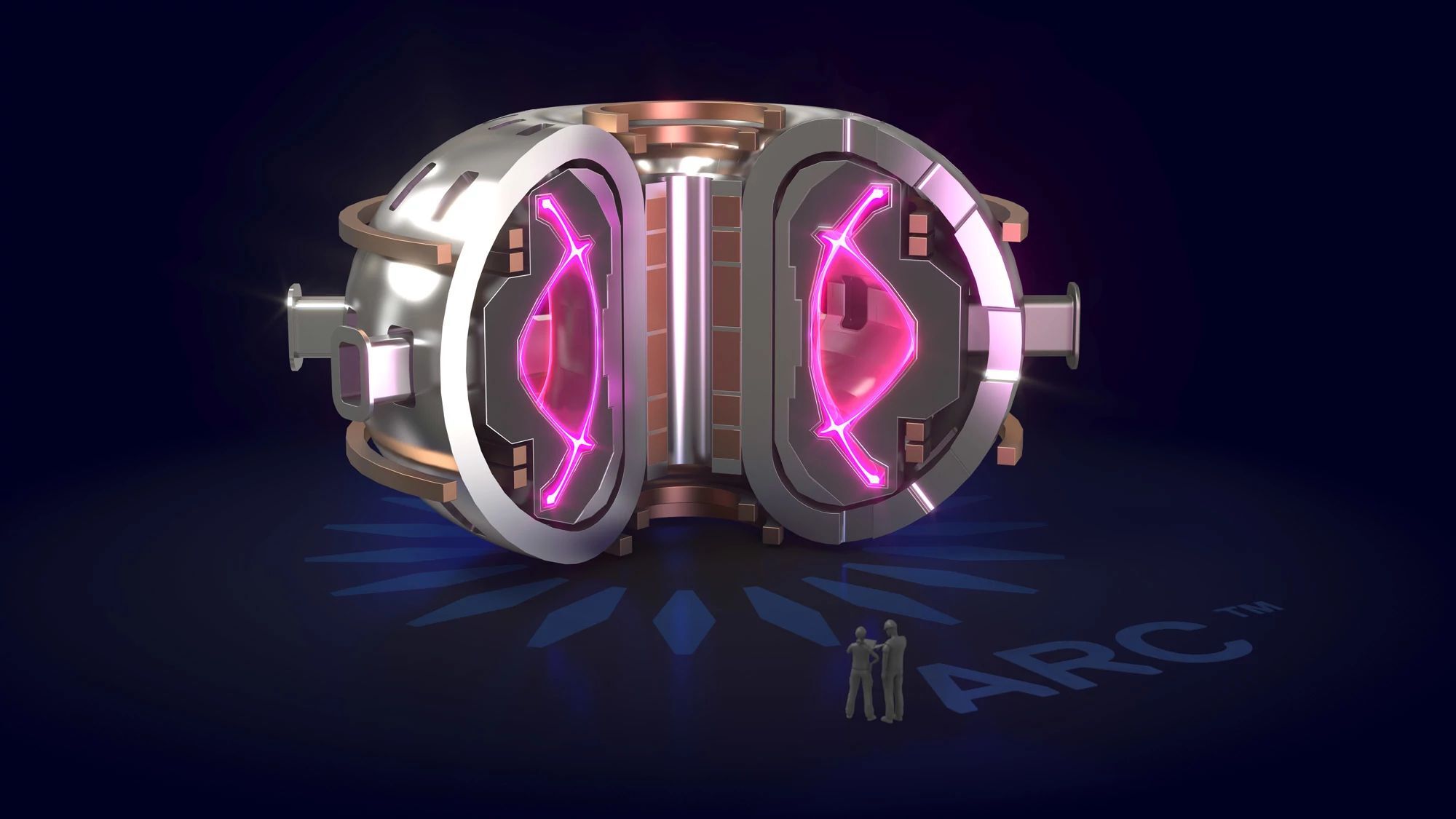
The fusion community has its roots in universities and government research labs, but companies like CFS are bringing new ideas, new facilities, and new people to the field. Our workshop gathers a range of people with expertise that’s important to the fusion machines we’re designing and building, called tokamaks — both our SPARC fusion demonstration machine and our ARC fusion power plants.
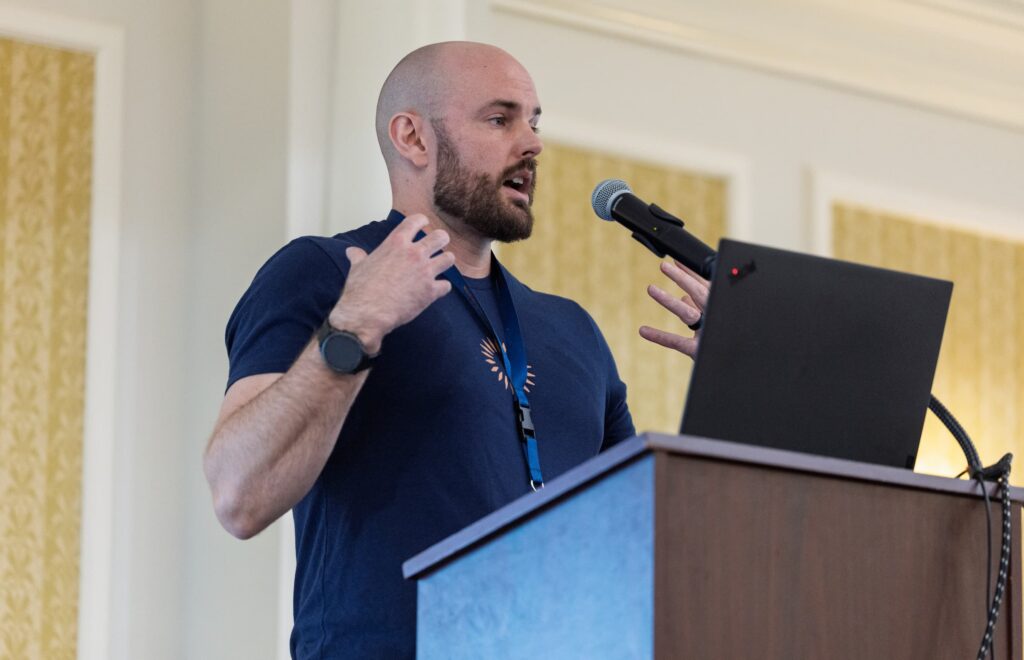
“For the second year in a row, we’re bringing together the community to dive deep into boundary physics and related topics, with a focus on SPARC and ARC,” said Julie Platano, Open Innovation Director at CFS and the conference’s organizer. “This level of collaboration is essential to align our efforts and take advantage of our collective expertise to drive fusion energy success.”
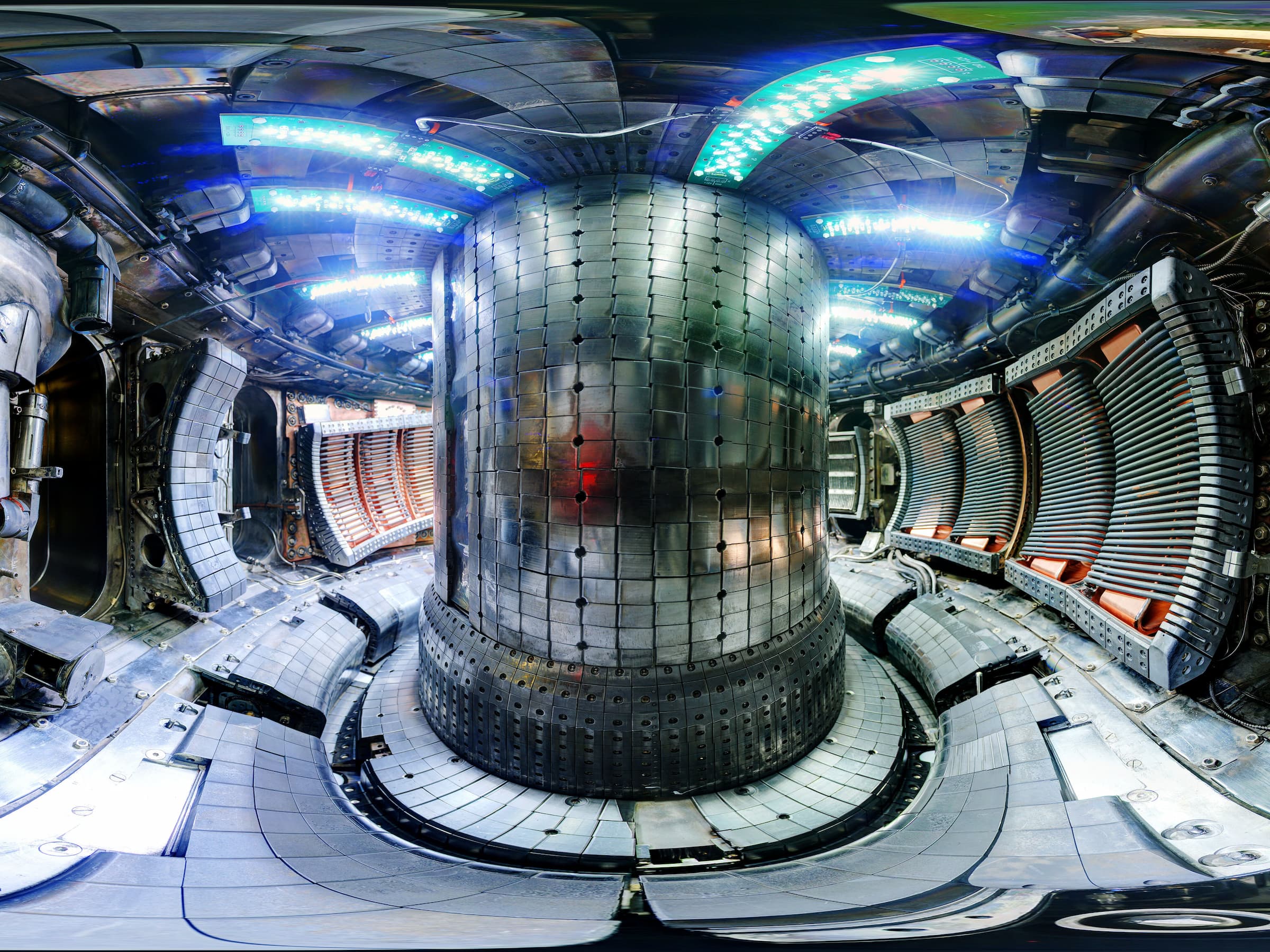
So why is the word “boundary” in the conference name? The term comes from the part of the tokamak where the hot fusion fuel, called a plasma, directly interacts with the hardware of the machine. As for the collaboration part, boundary physics experts have to work with other physicists to span the range of conditions inside the machine and explore new boundary physics options for ARC.
Inside our tokamaks, the core of plasma will be very hot — more than 150 million degrees Celsius. But the temperature drops in the boundary physics domain toward the edge of the plasma. There, the plasma’s particles will encounter physical hardware, so we’ll have to carefully manage the machine’s heat in that region.
It’s a big challenge: That edge plasma could be 100 times hotter than the heat shield of an astronaut’s re-entry vehicle dropping through the Earth’s atmosphere, but clever physics techniques let us lower that heat load to bearable levels. In practice, how well we manage heat at the plasma’s edge strongly influences how well the fusion process works in the plasma core.
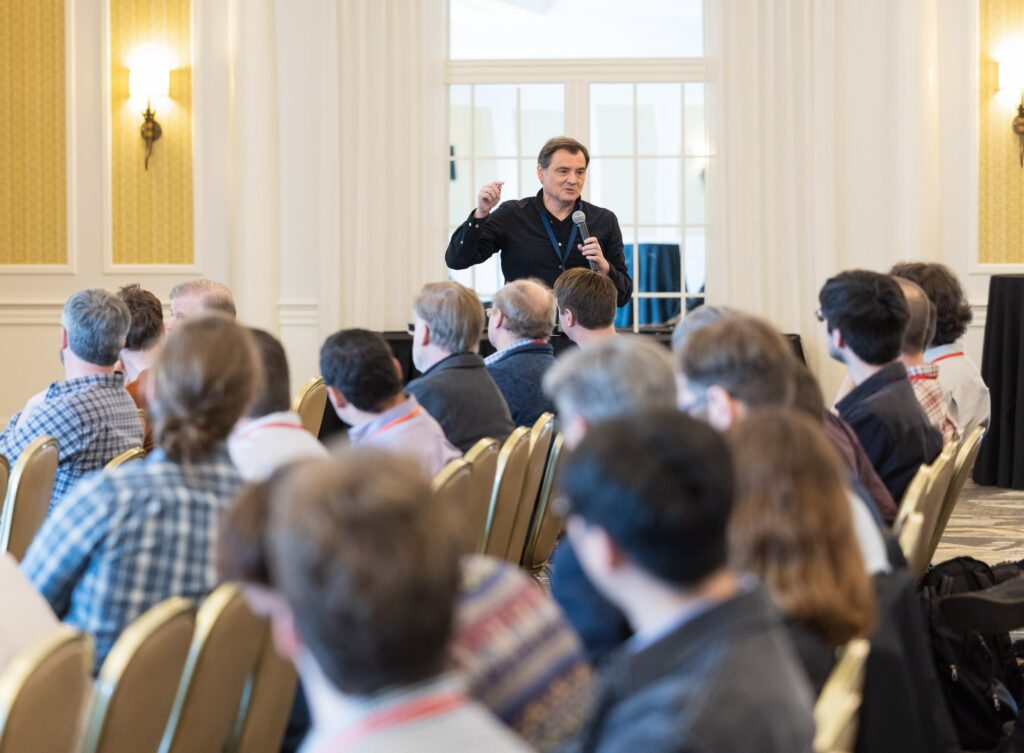
The Boundary Collaborators Workshop exemplifies the collaborative approach we’ve adopted at CFS. Including those from CFS, we hosted 73 attendees from three universities, nine national laboratories, and five companies this year. This conference lets these collaborators understand what we’re up to, find ways to align their own work, and build their own ties with each other.
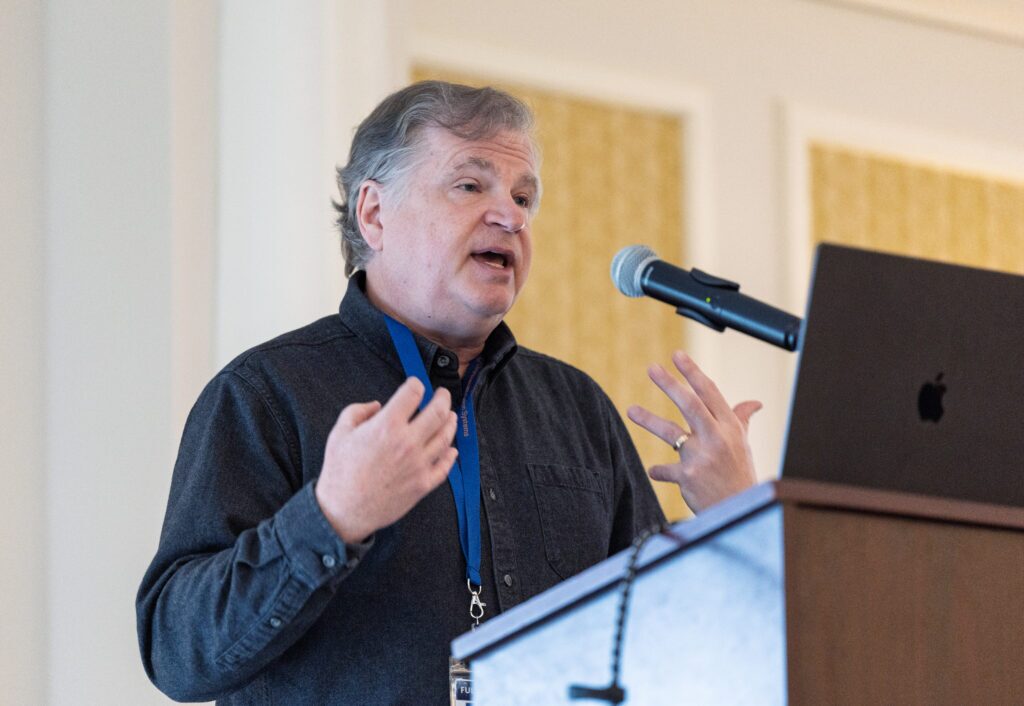
We’re confident about our work to deliver fusion energy’s clean, safe, baseload power to the electricity grid. That confidence is based not only on our own expertise, but also on what we’ve learned from the hundreds of people from around the world. That ranges from physicists to smart people with experience in areas like materials science, welding, cryogenics, and actually connecting a power plant to the grid.
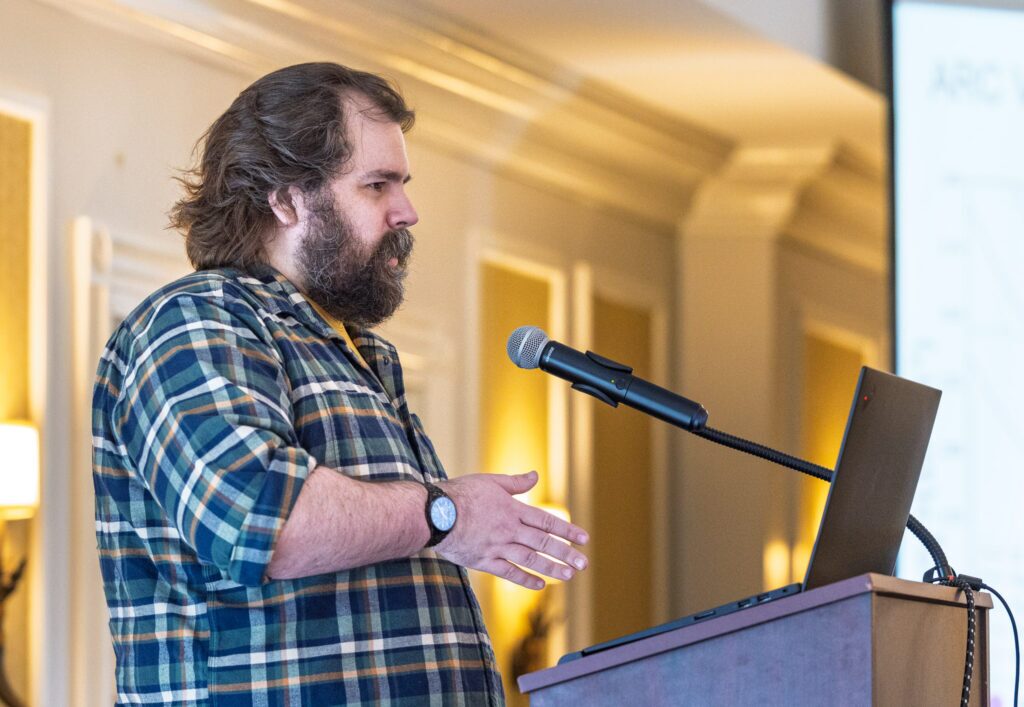
This year’s conference included plenty of discussion about plasma performance at the tokamak’s core, edge, and the “pedestal” region in between. But it also dived into other subjects, like AI acceleration of computer models, digital twins that can improve SPARC and ARC operations, the materials science of the tungsten tiles facing the plasma, and the antennas that’ll pump radio power into the plasma to help heat it up. In the digital domain, collaborating experts discussed Google DeepMind’s fusion-related AI work and NVIDIA’s digital twins technology that applies to fusion.
There’s a lot of fusion research around the world. We’re glad to be an active part of it.
SPARC®, ARC™, and Fall Line Fusion Power Station™ are trademarks of Commonwealth Fusion Systems®.