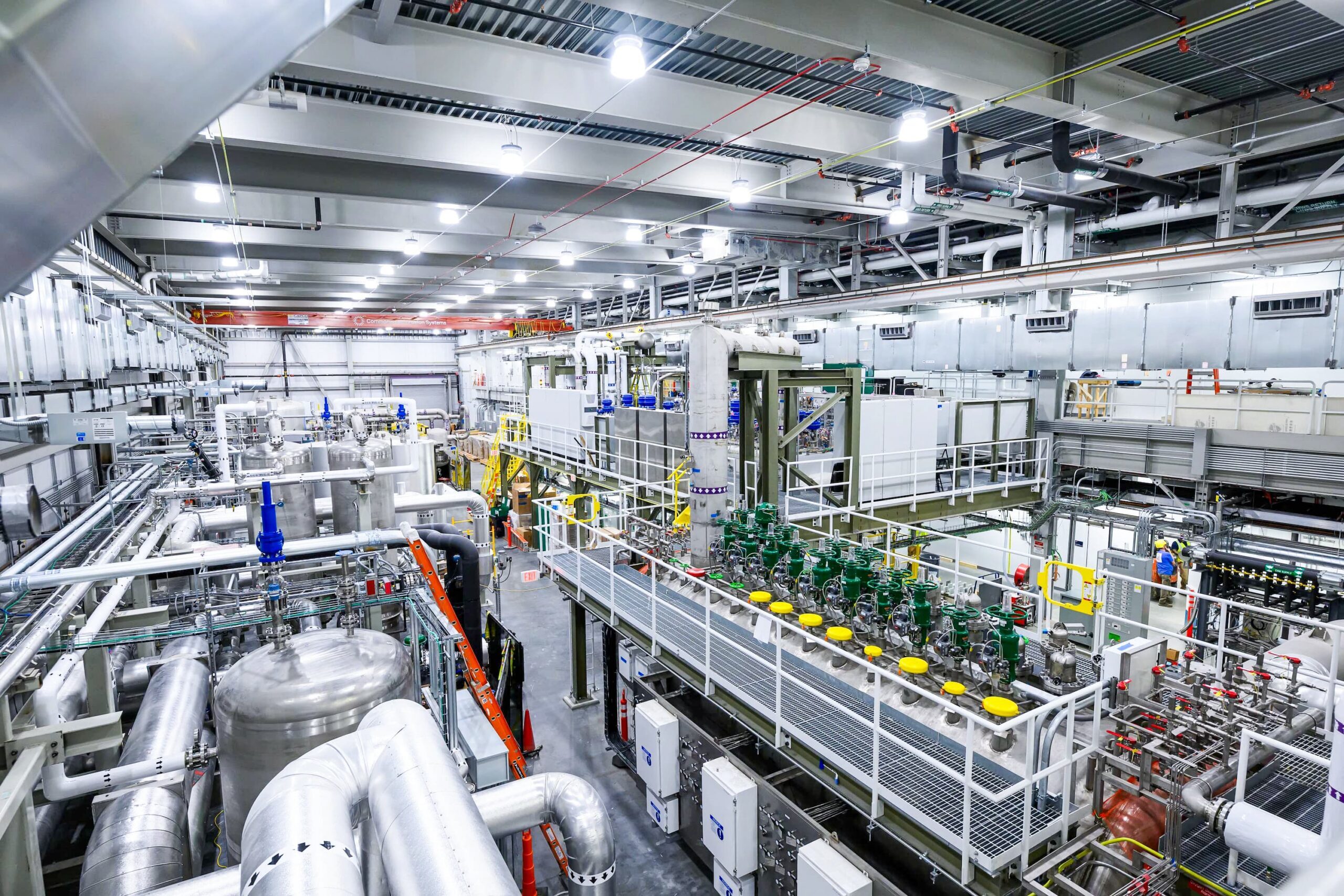
Our SPARC fusion facility is now about 75% done. Take a virtual tour of the progress
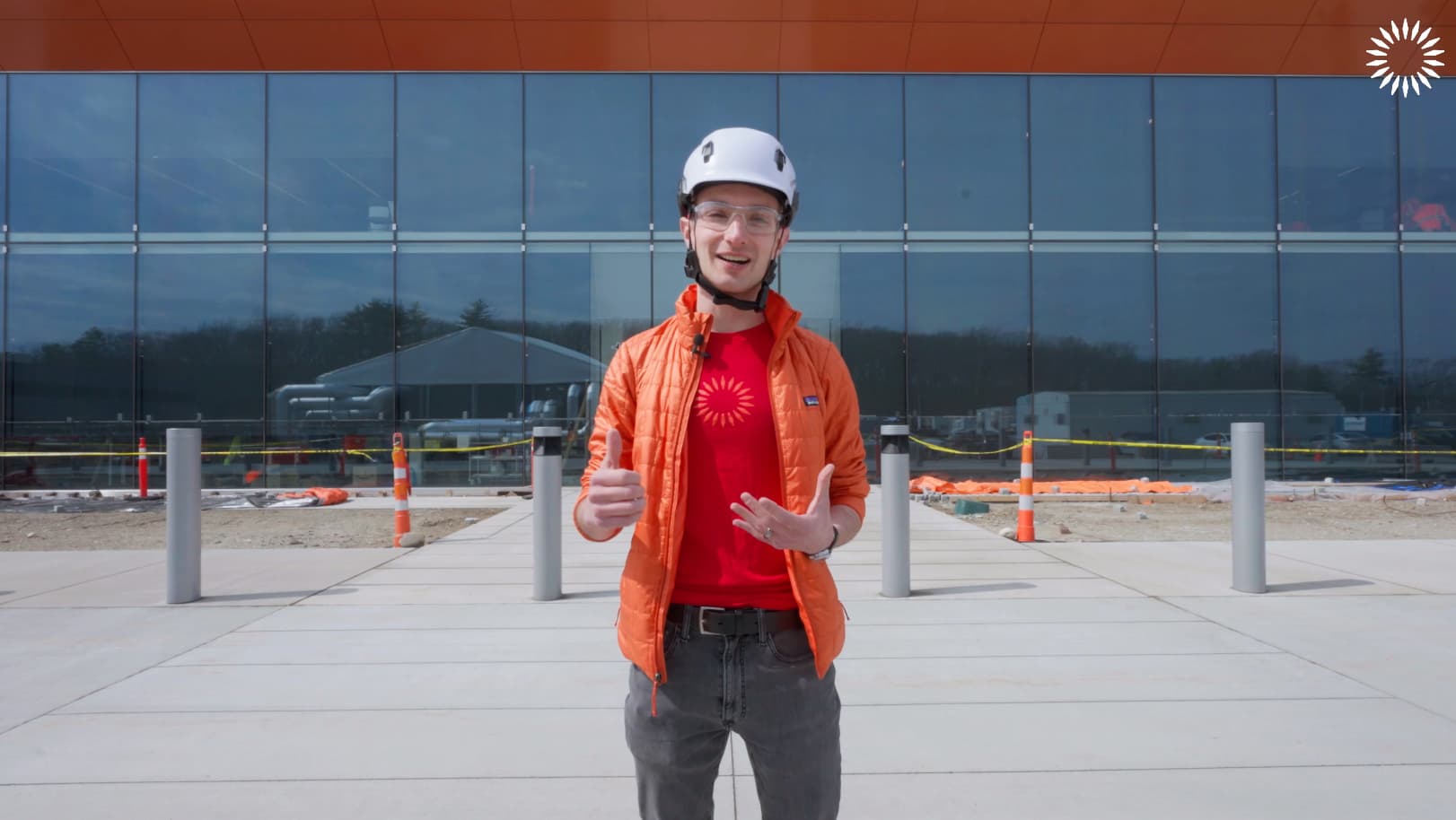
It’s time for a brand new virtual tour of the SPARC facility, the building on CFS’ campus in Devens, Massachusetts, where we’re building a donut-shaped fusion machine called a tokamak.
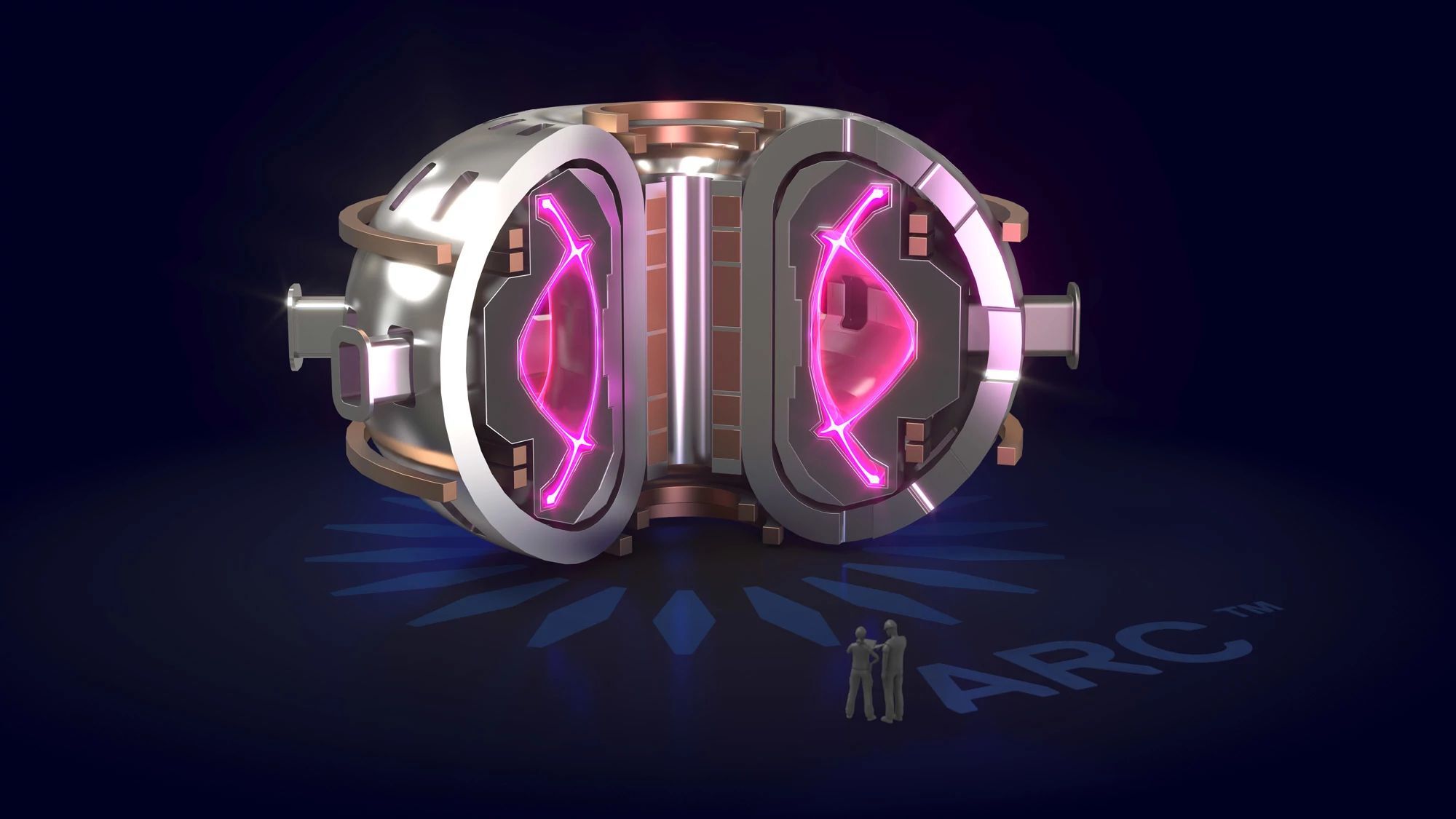
SPARC isn’t a full fusion power plant but rather a proof-of-concept machine whose primary purpose is to demonstrate that we can produce more power from the fusion reactions than it takes to heat up the fusion fuel, called a plasma. In scientific circles that net fusion energy milestone is called Q>1, a key step toward putting fusion electricity on the grid (link to blog post). As well as demonstrating Q>1, SPARC will help inform parts of the design of our fusion power plant, ARC, that we’ll build in Chesterfield County, Virginia. We haven’t yet broken ground on that facility, but we’ve made significant strides on ARC’s design.
“Everything we learn about SPARC as we finish construction and start commissioning we’re starting to incorporate into our [ARC] design,” said Alex Creely, Chief Engineer of ARC Conceptual Design, a SPARC expert, and your tour guide in this video.
SPARC is a cutting-edge facility that we expect will help reshape the world’s energy landscape. Its ultrapowerful magnets will confine superhot fusion fuel to achieve that Q>1 demonstration, acting as an integrated test of most of the systems necessary to build a fusion power plant that’ll bring clean, baseload electricity to the grid.
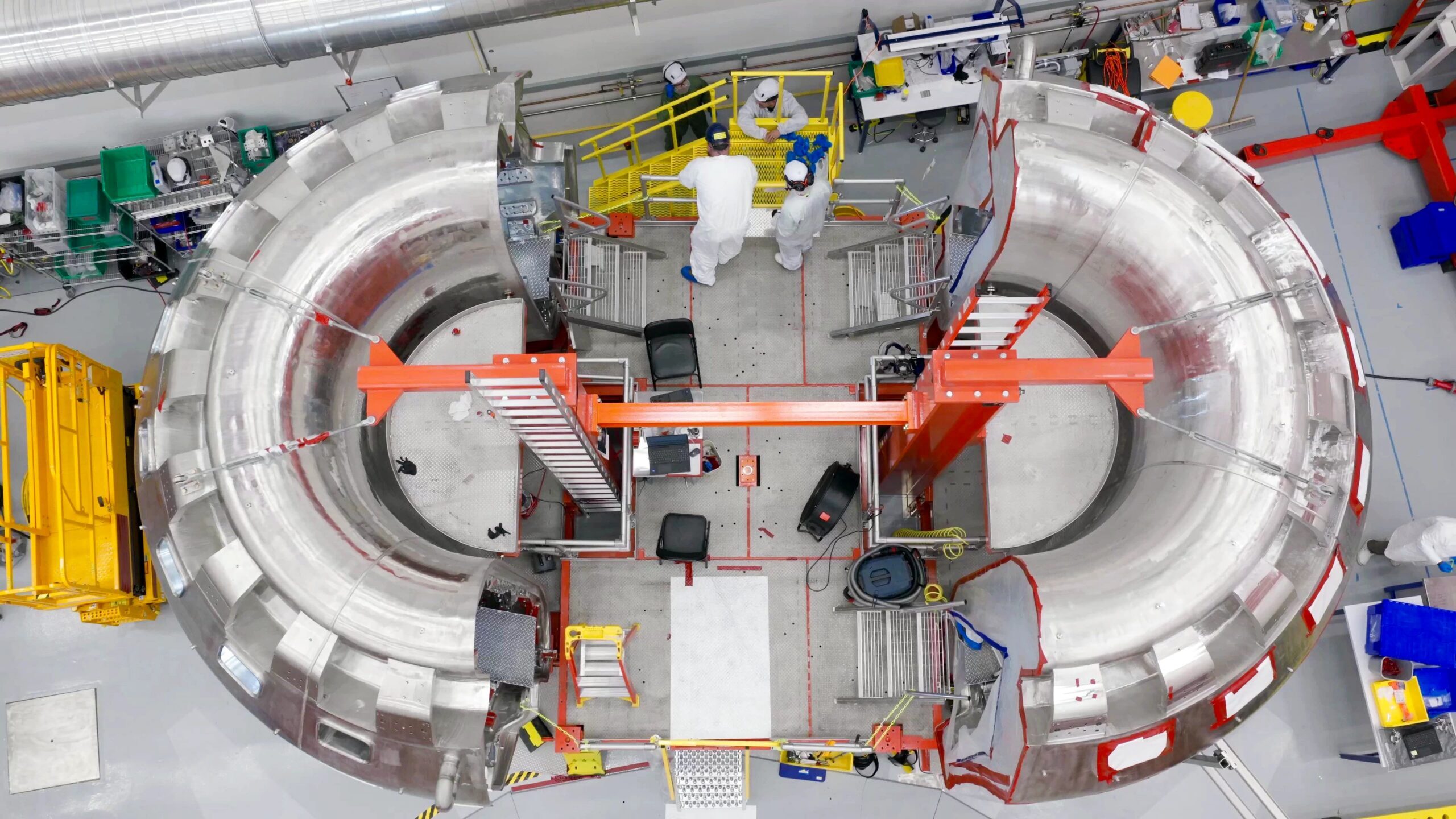
In Devens, we’ve made tremendous headway on SPARC since our last virtual tour in 2025. We’ve now completed about three quarters of the work to build SPARC, a tracking estimate that combines diverse elements ranging from engineering and procurement to manufacturing and assembly. As we approach full assembly, activity inside the tokamak hall visibly reflects much of that progress. That room houses the tokamak where we’ll be making plasmas, and both halves of the vacuum vessel and two of our 18 D-shaped toroidal field (TF) magnets are now inside Tokamak Hall.
Here’s what else you can see in this video:
“It’s really exciting to see all the progress we’ve made [at the SPARC facility],” says Creely. “We’re now operating the plant, now putting the actual tokamak together… We’re really excited for what comes next both here at SPARC and down in Virginia for the first ARC power plant.”
SPARC®, ARC™, and Fall Line Fusion Power Station™ are trademarks of Commonwealth Fusion Systems®.