For a fusion energy company like ours, crossing a performance threshold called Q>1 is a crucial step to demonstrate that our technology works and that our company has the skills needed to build fusion power plants. It’s like showing a company has a working engine before it builds the car.
This week, Commonwealth Fusion Systems (CFS) researchers will show how we’ve got plenty of options for tuning and revving our engine. At the American Physical Society’s conference for the Division of Plasma Physics — APS-DPP for short — we plan to share how we’re bringing our plans into focus to ramp up our SPARC fusion machine’s performance so we can reach Q>1.
“Because SPARC is designed to run well beyond Q>1, we have lots of room to maneuver as we operate the machine,” said Clayton Myers, who leads the CFS plasma diagnostics team and is slated slated to discuss our Q>1 approach at APS-DPP. “Part of the reason we’re confident SPARC will meet this early performance goal is because we have different paths to success.”
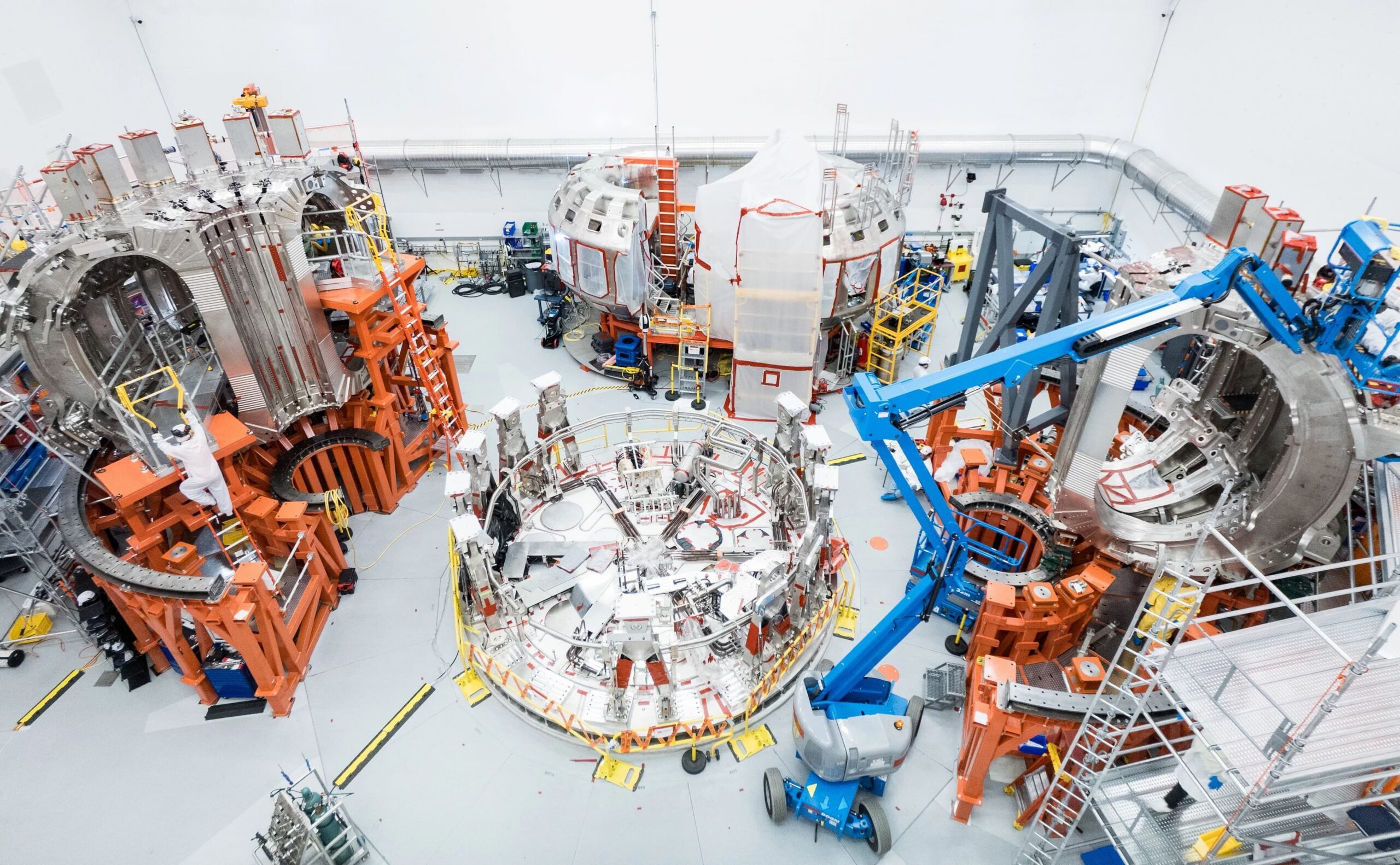
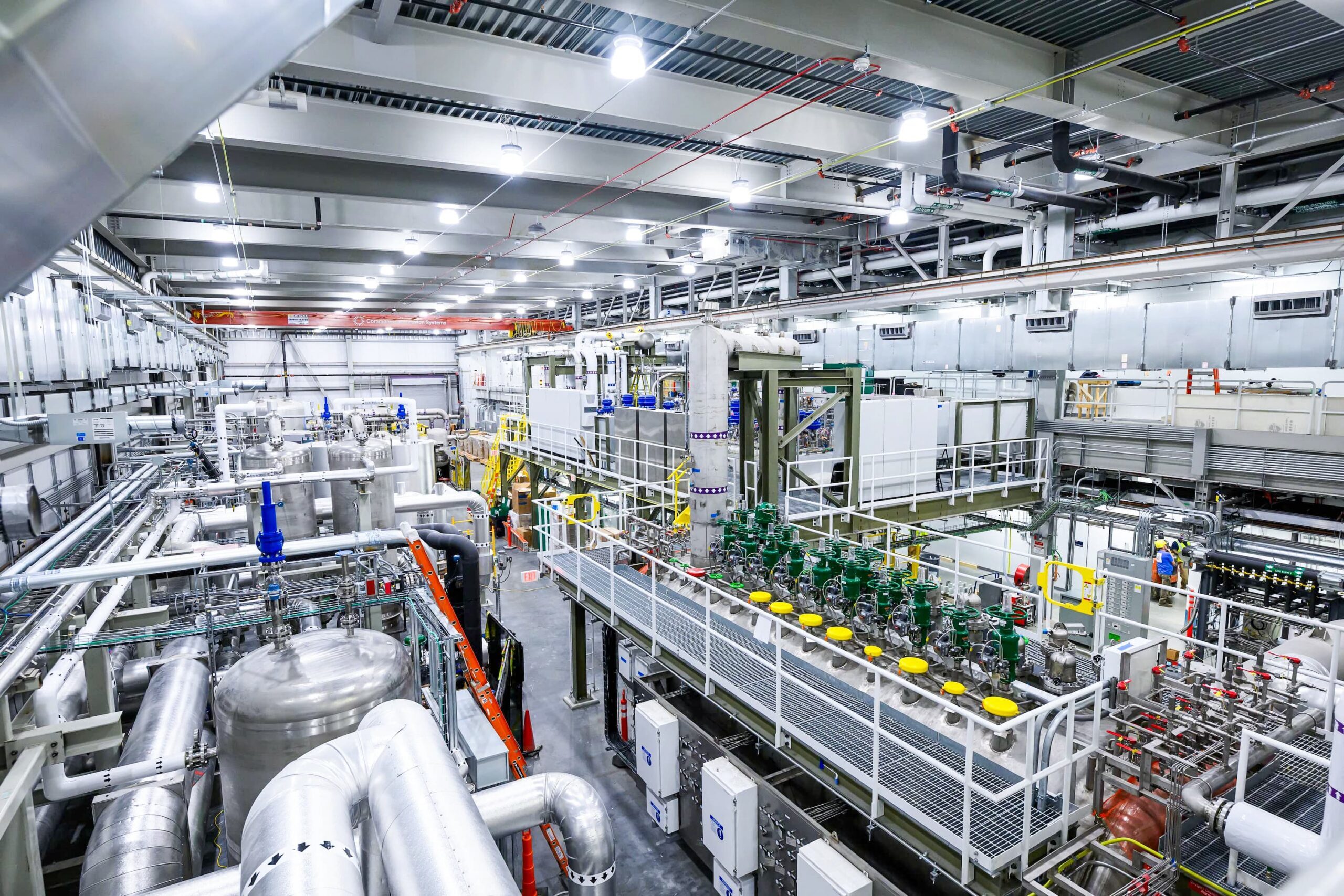
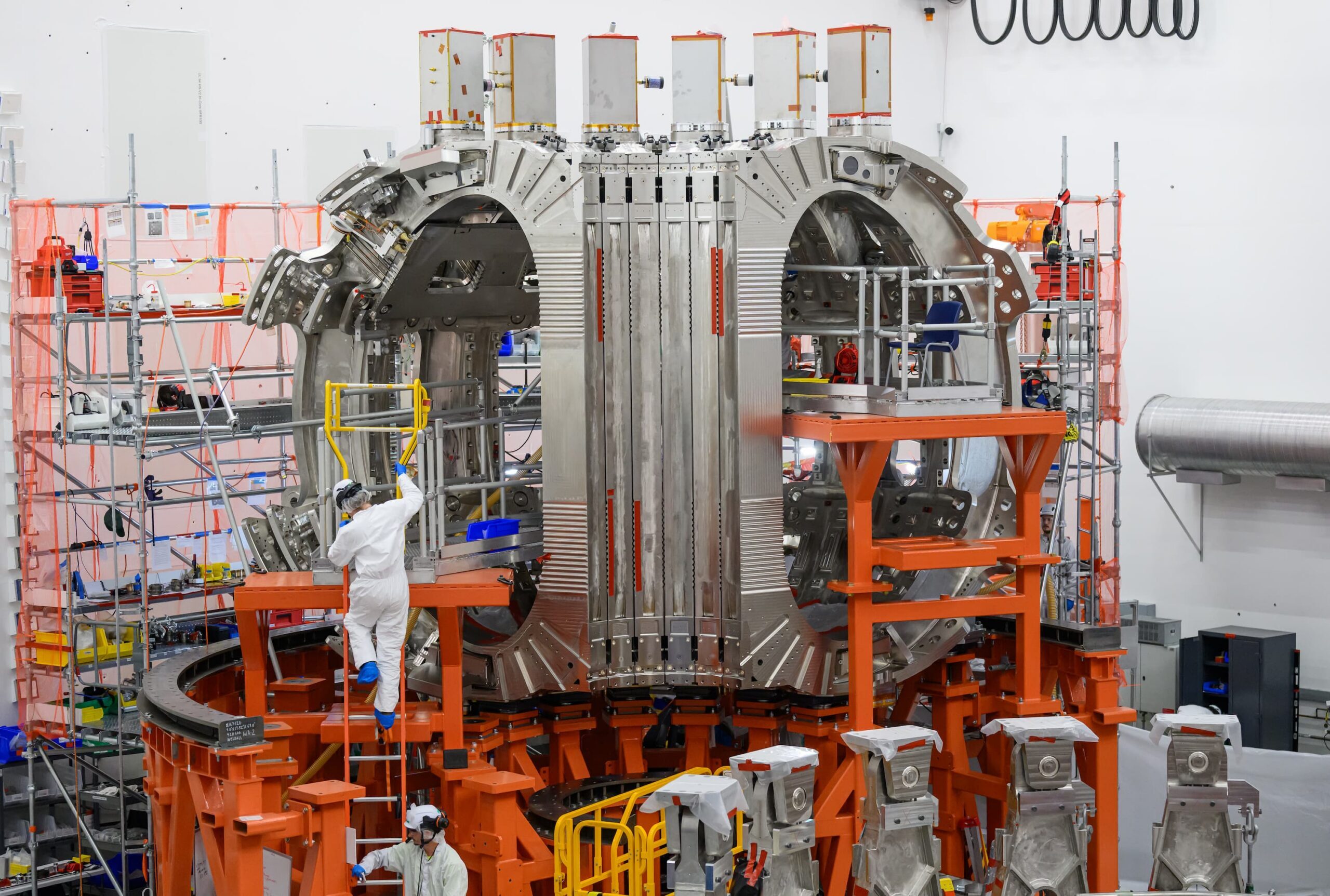
CFS spent its earliest years developing and successfully testing our breakthrough magnets, the key technology enabling our fusion approach. We then tackled engineering work and made our designs real in our Massachusetts magnet factory. Right now, we’re assembling SPARC and commissioning its support systems. The Q>1 planning we’re describing at APS-DPP is a glimpse into our next chapter: operating SPARC.
At APS-DPP, CFS and our collaborators will detail multiple aspects of this Q>1 work, including how we’re planning different machine configurations, evaluating those options, and integrating multiple computer models that simulate different facets of the physics that are at play in SPARC. And we’ll talk about some of the physics work we’ll perform with SPARC to inform the design of its successor, the ARC fusion power plant.
The payoff of this steady progress is fusion energy on the electricity grid: a new source of clean, secure, zero-carbon energy that can be built nearly anywhere, uses nearly limitless fuel, and can run steadily or ramp up and down to follow changing power demands.
Achieving Q>1 performance on SPARC
Reaching Q>1 means a fusion machine has produced net fusion energy: more fusion power out of the fusion process than we put in to sustain that process. Only one machine in the world has crossed that threshold, the National Ignition Facility at Lawrence Livermore National Laboratory, and it’s not a machine with the commercial fusion mission that SPARC has.
Q>1 is certainly not the last achievement — check our CEO Bob Mumgaard’s list of the six milestones to successful commercial fusion energy to see what’s next. But Q>1 is critical. To get there, a company needs to have solved the physics challenges. Q>1 takes far more than some benchtop experiments and computer simulations, though. It also requires strength in design, engineering, manufacturing, testing, supply chain management, fundraising, project management, and more.
Fusion works by heating up and confining a cloud of highly energetic charged particles called a plasma. Made hot enough, the nuclei from the centers of small atoms smash together to form heavier elements, releasing colossal amounts of energy in the process. In a fusion power plant like the ARC machine we’ve begun designing, we’ll convert that energy into electricity.
We’ve already laid the physics foundation for our ARC power plant, but running SPARC will help us refine the ARC design. At APS-DPP, we’ll discuss recent ARC progress, including details from our ARC preconceptual design and ongoing research and development work for the ARC plants.
CFS has many collaborators at universities and labs around the world, and we’ve published hundreds of peer-reviewed papers. The presentations and conversations at APS-DPP are an important complement, a chance for experts to challenge our team.
“We work with a great team of collaborators to develop and test world-class physics tools for predicting and optimizing SPARC performance, for the Q>1 mission and beyond,” said Phil Snyder, Vice President of Plasma Physics at CFS. “Going to conferences like APS-DPP gives us a chance to connect, strengthen our team, and get feedback from the broader fusion physics community. Publishing and presenting our work to the world’s experts ensures that we’re on the forefront of our field, taking advantage of all the latest discoveries and innovations.”
Choose your own adventure
You might remember the series of Choose Your Own Adventure books where readers could make choices that took them on different plotlines. Thanks to SPARC’s flexibility, operating the machine will come with a similar range of options.
Fusion is the process that powers the sun, but SPARC will bring it to Earth. It’ll work by heating up and confining a cloud of highly energetic charged particles called a plasma. Made hot enough, the nuclei from the centers of small atoms smash together to form heavier elements, releasing colossal amounts of energy in the process. In our ARC fusion power plants, we’ll convert that energy into electricity.
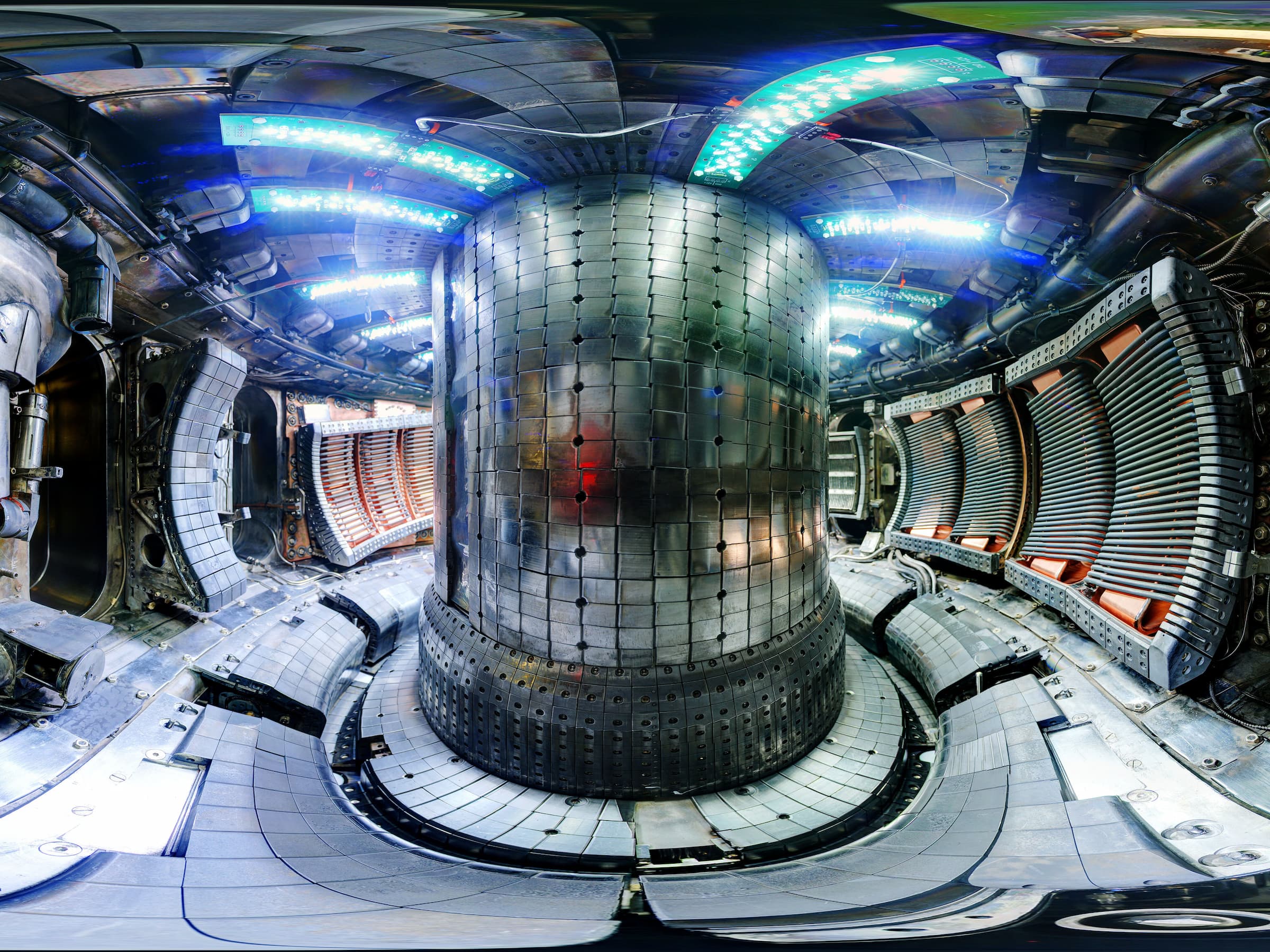
SPARC is a donut-shaped fusion machine called a tokamak. It uses super-strong magnets to hold the plasma in place — a magnetic bottle that can manage the plasma’s temperature of about 100 million degree Celsius.
There are different ways we can run these magnets, akin to the different paths in the Choose Your Own Adventure books. We have a set of world class predictive tools that tells us what each of these paths will look like
The magnets are designed to create a top magnetic field of 12.2 tesla — about 400,000 times stronger than Earth’s magnetic field at the equator. We can run SPARC at this setting, holding the plasma in a simpler configuration called low confinement mode (L-mode) to achieve Q>1.
But another option will be to put the plasma in a more intense configuration called high confinement mode (H-mode). It keeps temperatures at the edge of SPARC’s plasma hotter and produces a higher plasma pressure. H-mode requires greater sophistication, but we could achieve Q>1 in H-mode with a lower magnetic field between 8 and 9 tesla.
After achieving Q>1 in the first campaign on SPARC, we’ll push farther with both the 12.2T field and H-mode. That’ll let us explore Q far greater than one, studying what’s known as burning plasma physics.
There are plenty of other ways we can configure and run SPARC, too. We can adjust how we ramp up electrical currents and how we manage our fusion fuel, for example. We’re evaluating and planning these scenarios in detail so we can get the best results and learn as fast as possible once we start operating SPARC.
“We’re in the home stretch now. We’re assembling SPARC, and we expect to turn it on next year,” Snyder said. “We will learn quickly during early SPARC operations and use that knowledge and our world-class physics tools to rapidly achieve Q>1.”