CFS prepares SPARC’s fusion support systems for dress rehearsal
Here at Commonwealth Fusion Systems (CFS), we’re now firing up more and more support systems for our SPARC tokamak in anticipation of a moment we call DDR — that’s dry dress rehearsal, not Dance Dance Revolution.
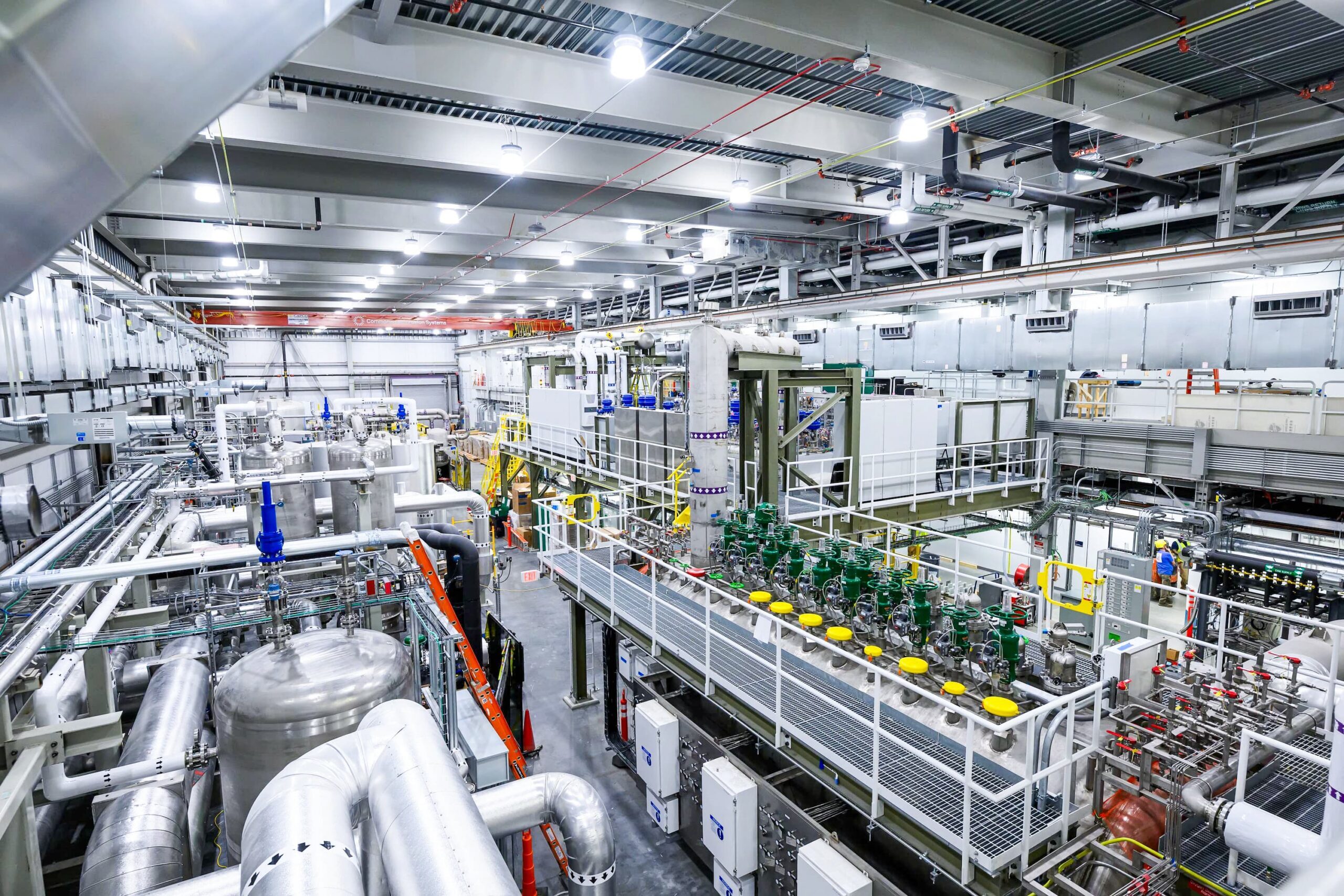
When we demonstrate fusion in our SPARC machine, we’ll use extremely strong magnets to confine and control our superhot fusion fuel, called a plasma. But for SPARC to work, we’ll need a collection of support systems like cryogenics to cool its magnets, the power system to supply those magnets’ electricity, and the radio-frequency (RF) system to help heat the plasma. Putting those support systems through their paces is what dry dress rehearsal is all about.
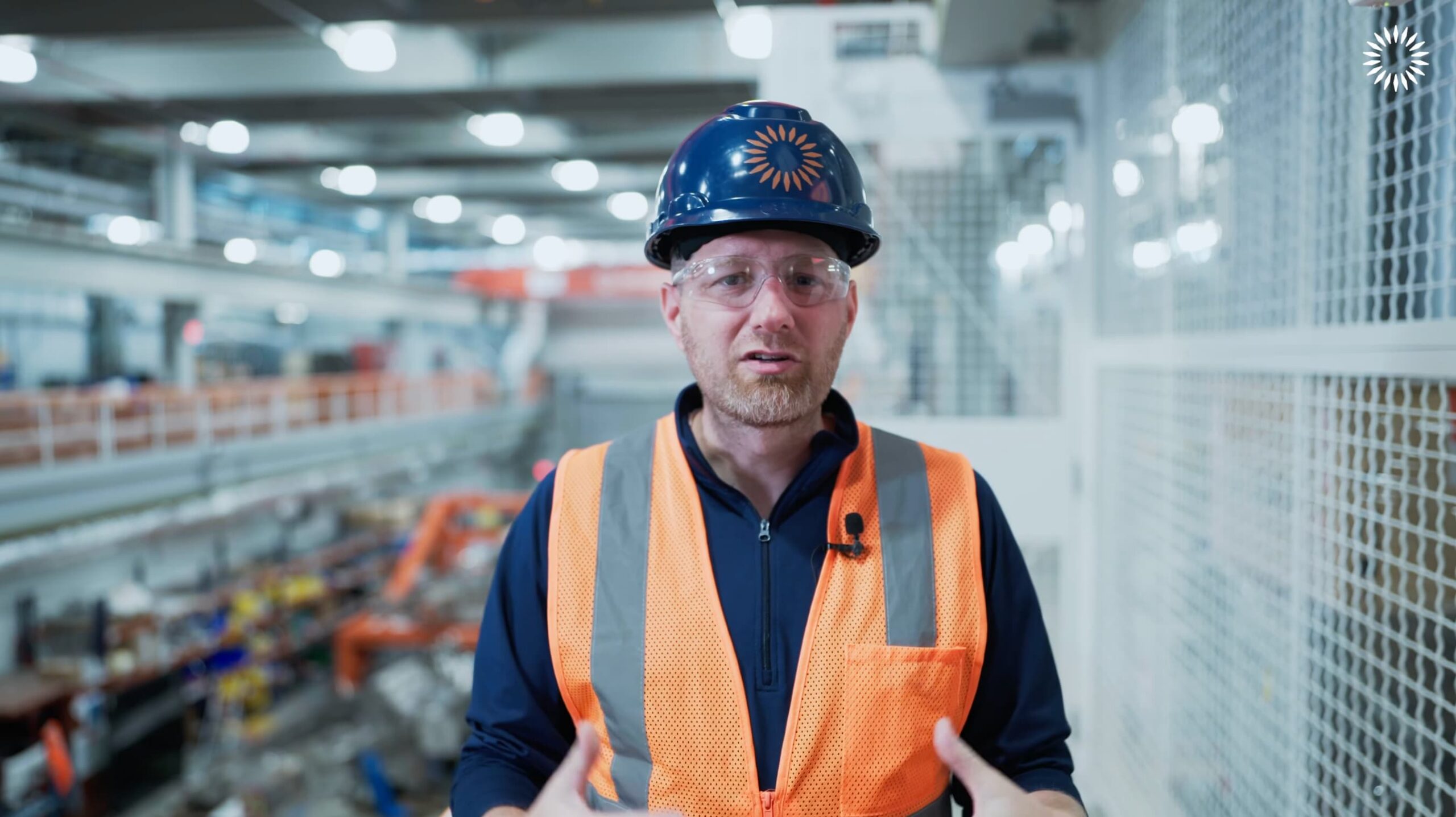
We’re showing a lot of that work in our newest twice-yearly update video from our CEO and Co-founder Bob Mumgaard.
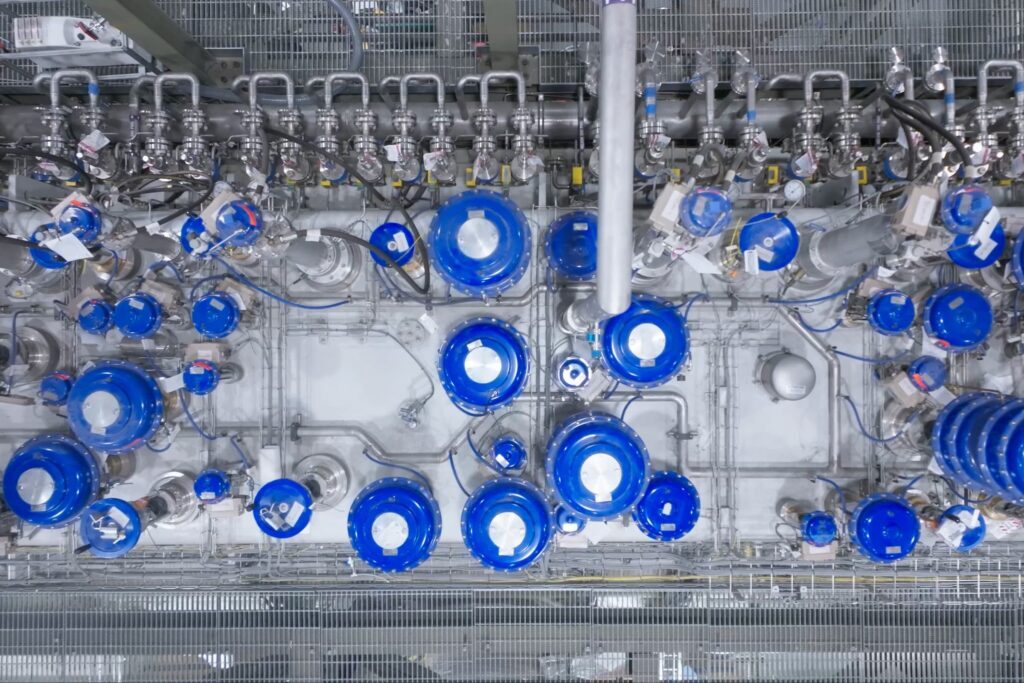
“The last six months are really about all the larger, fusion-specific subsystems,” Mumgaard says in the video. “They’re not just installed, they’re not just commissioned. Many of them are operating routinely. The cryo plant that keeps the magnets cold — it’s operating, it’s cold, it’s putting cryogenic fluid through all the different subsystems used to cool the magnets.”
This steady progress is what’s necessary to put together a machine that will demonstrate net fusion energy, called Q>1 in scientific circles. SPARC’s first job is to reach Q>1, a major step on the path to bringing fusion’s clean, safe power to the electricity grid.
This phase of work leads up to dry dress rehearsal, which means running the SPARC support systems as if we’re creating a pulse fusion pulse, but not actually with the tokamak itself operating.
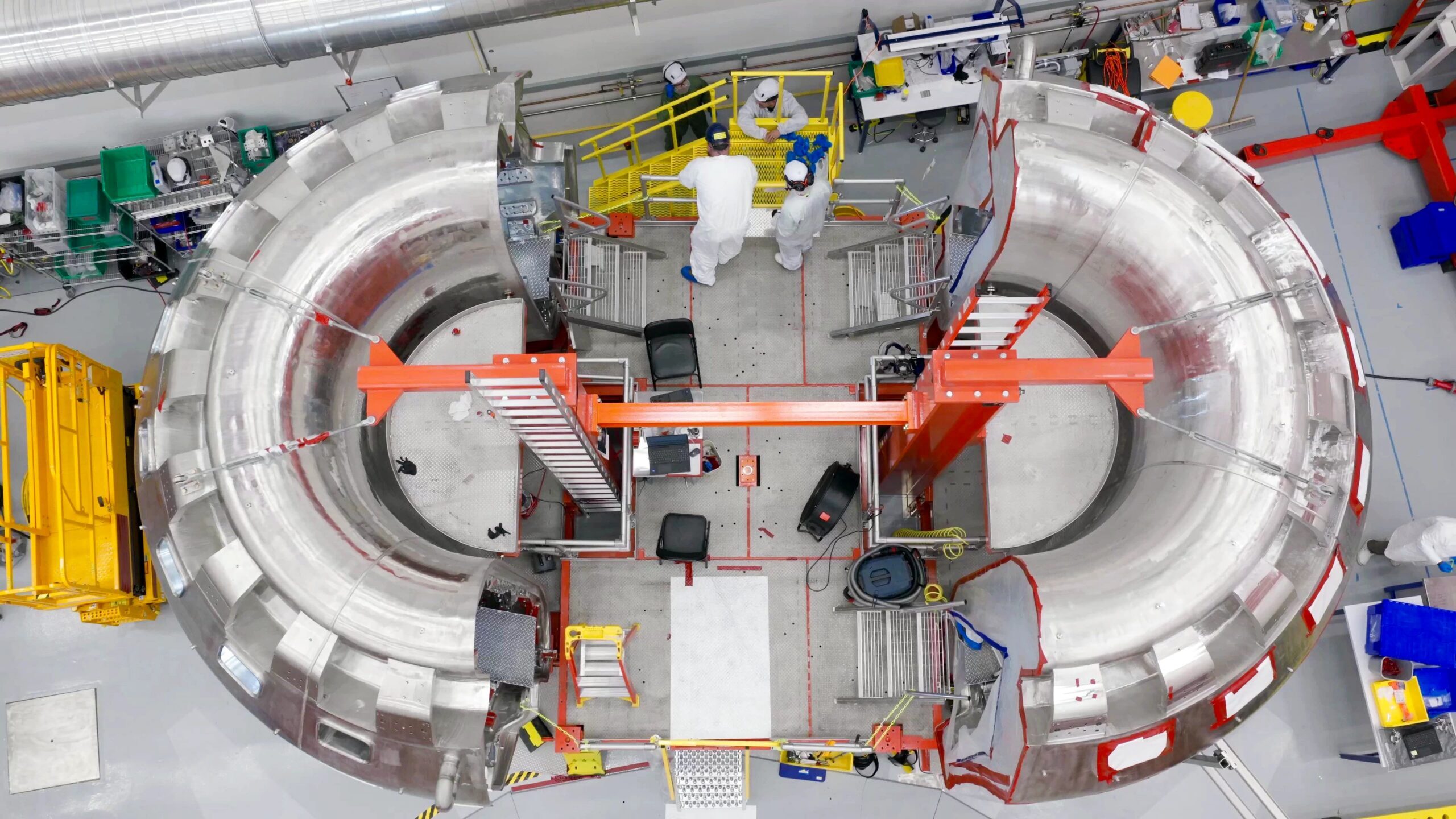
By performing that work in parallel with SPARC tokamak assembly — moving our magnets, vacuum vessel, and other components into place at the center of the SPARC facility — we can progress as rapidly as possible with the SPARC project.
“We operate the entire plant, just minus the tokamak,” Mumgaard says of dry dress rehearsal. “The plant itself is going through all the loads as if it was powering the tokamak.”
Mumgaard also discusses other developments in the last half year:
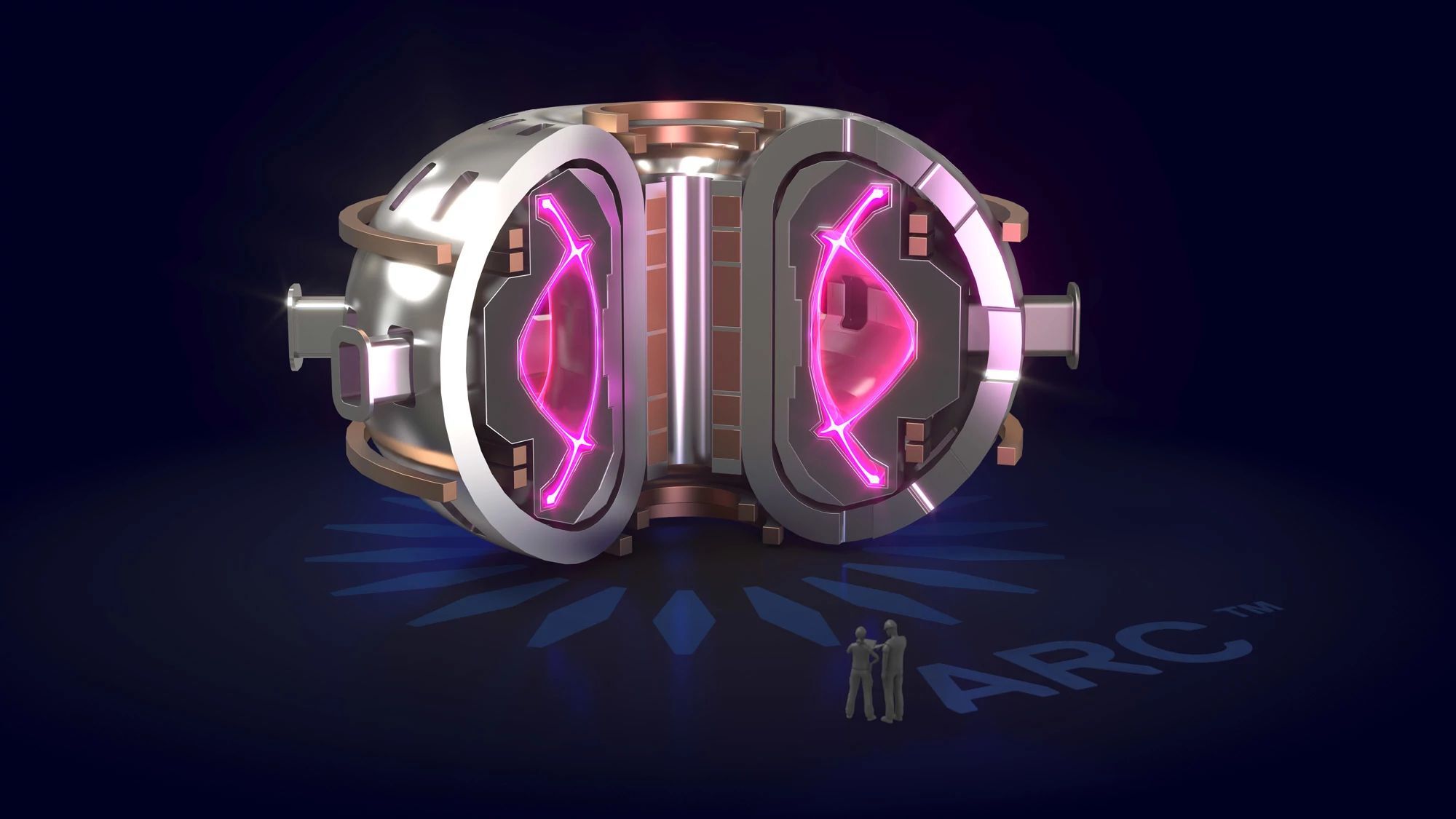
⚡The publication of five peer-reviewed papers setting the physics foundation for our ARC power plant and showing how we’ll use SPARC to inform the ARC design
⚡Our application to connect our first ARC plant to the electricity grid in Virginia
⚡Our work in Singapore, Korea, Japan, the United Kingdom, and Europe to ensure fusion is successful globally
Moving through our roadmap, from scientific foundations to operating facilities, is what helps set CFS apart from others in the fusion energy industry.
“CFS is the largest company in this ecosystem and one of the largest fusion organizations in the world,” Mumgaard says. “We’re moving quickly at scale, with real capabilities — plants like this that are being built, factories that are running on our own. At CFS, we’re the leaders.”
If you want to see some earlier videos in this series of twice-yearly updates, you can check these:
SPARC®, ARC™, and Fall Line Fusion Power Station™ are trademarks of Commonwealth Fusion Systems®.